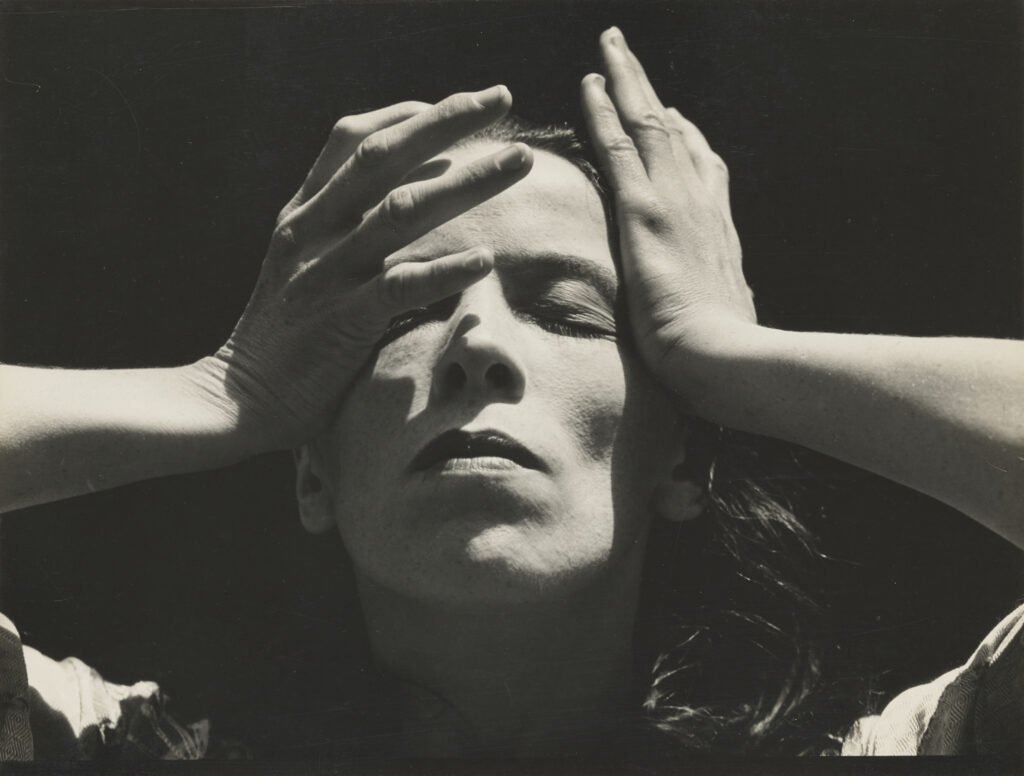
Dance and photography operate on different temporal planes. One unfolds over time through fluid movement, whereas the other freezes that motion in a single, suspended frame. Something electric happens when these two art forms merge. Since the early 20th century, photographers have been drawn to dancers not only to document them but to grapple with the problem of rendering motion through stillness. As technology improved, dance photography moved beyond an advertising function. Photographers began to make images in which rhythm was palpable.
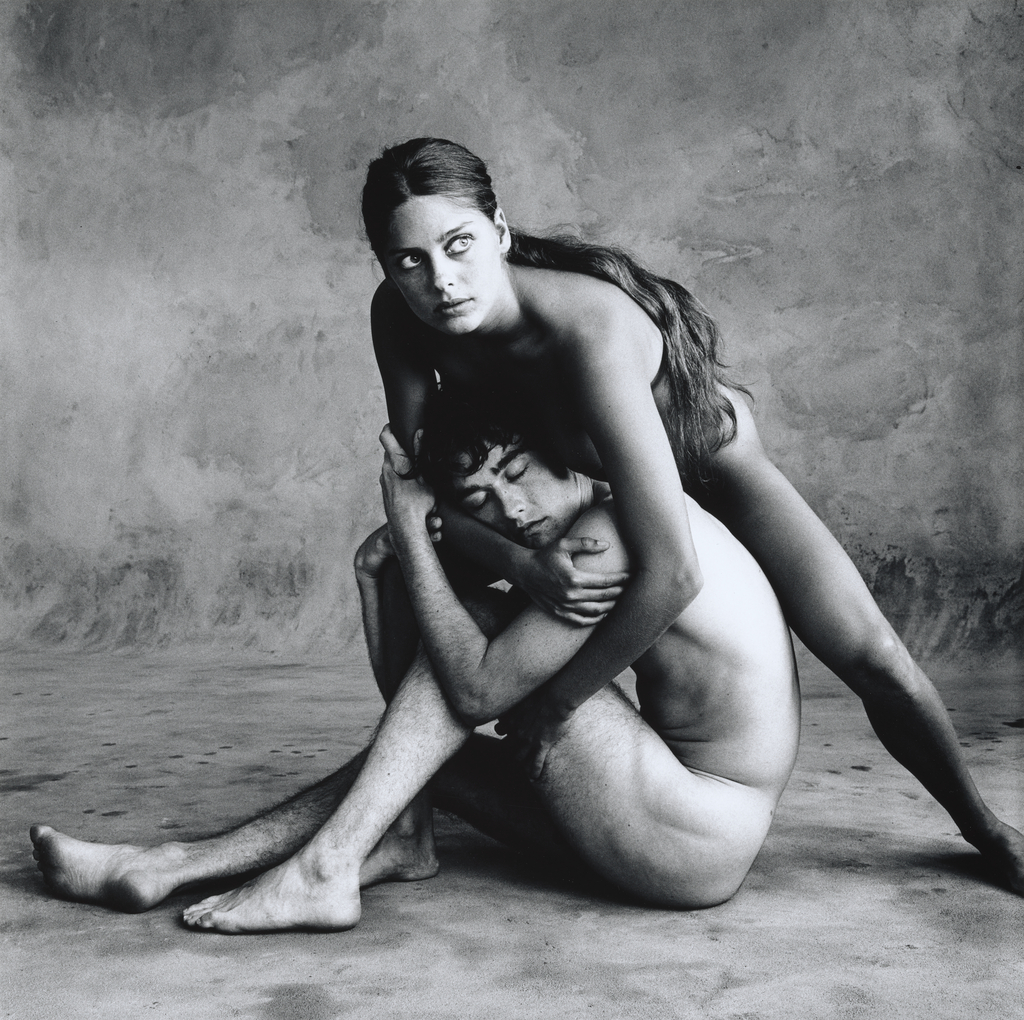
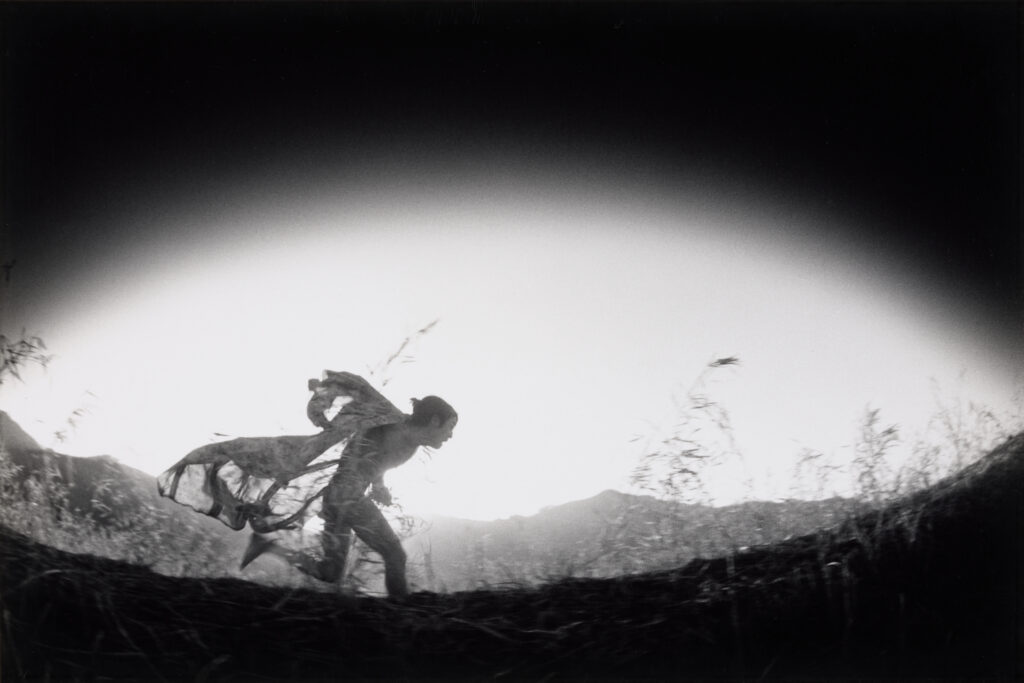
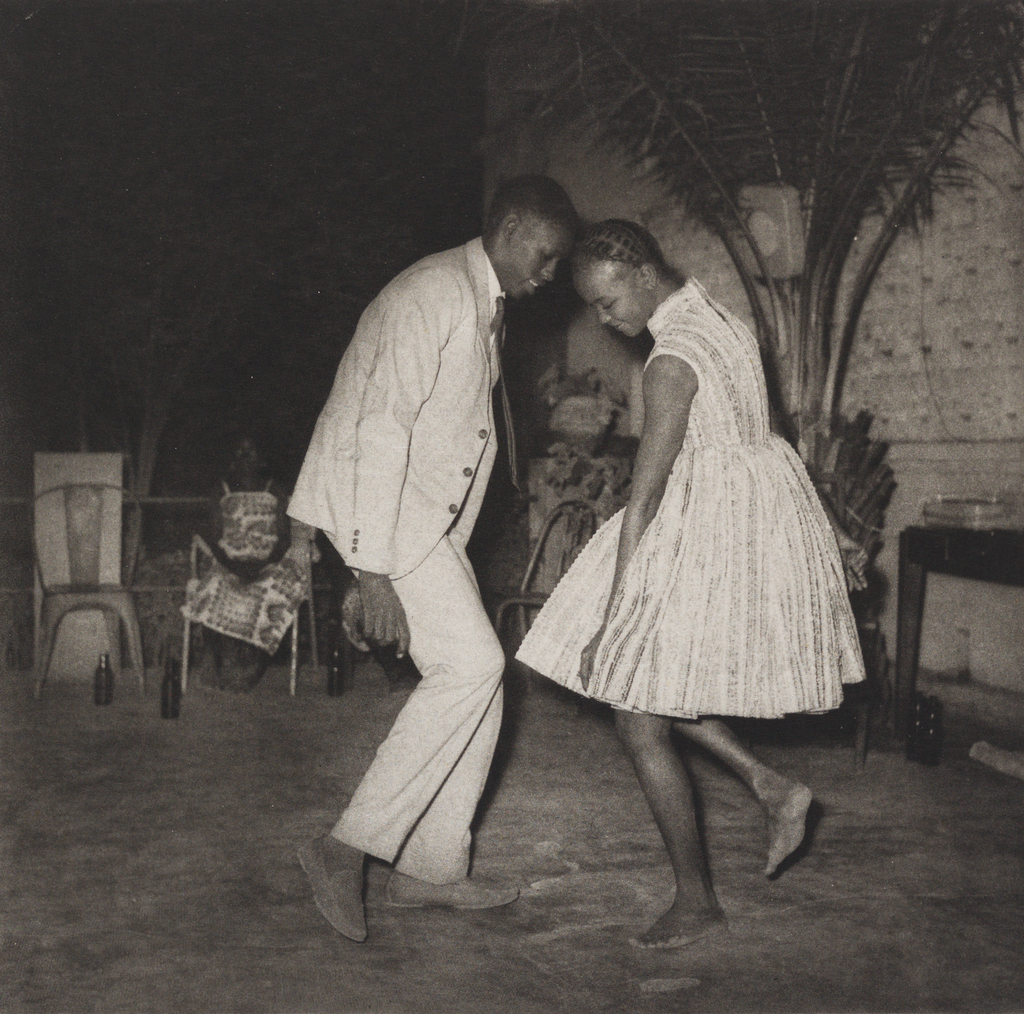
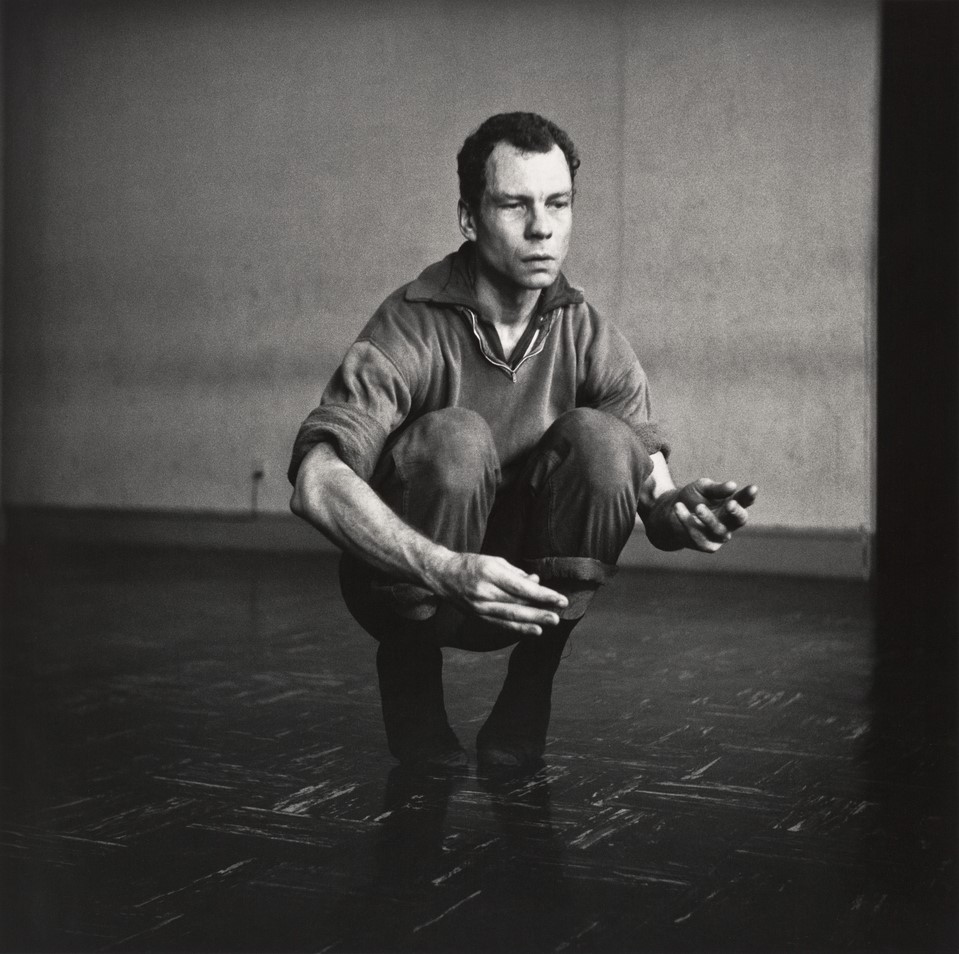
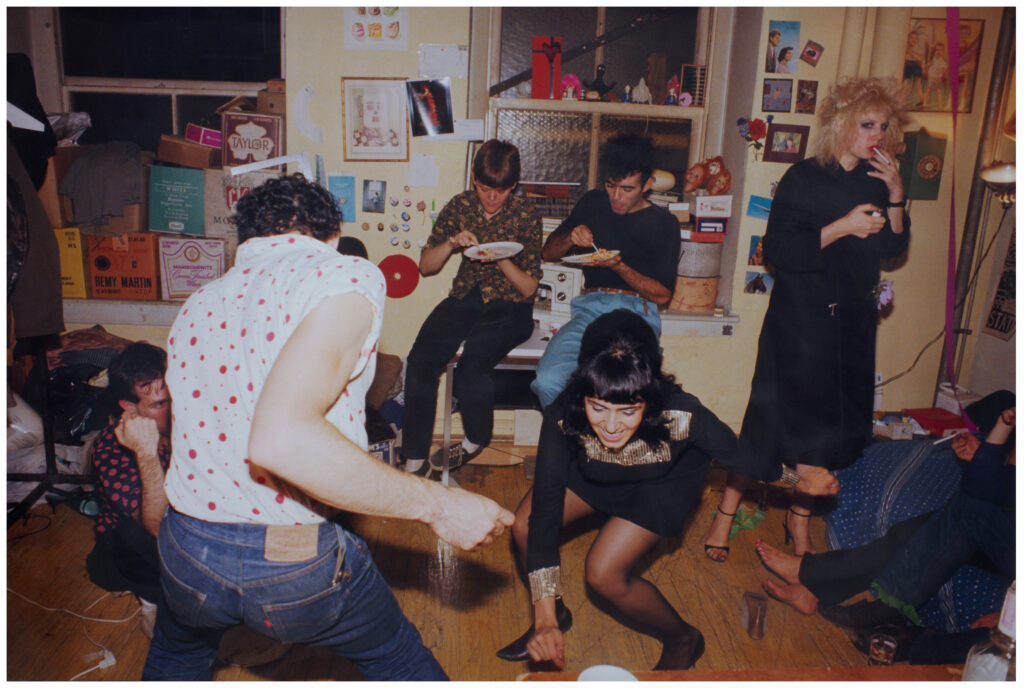
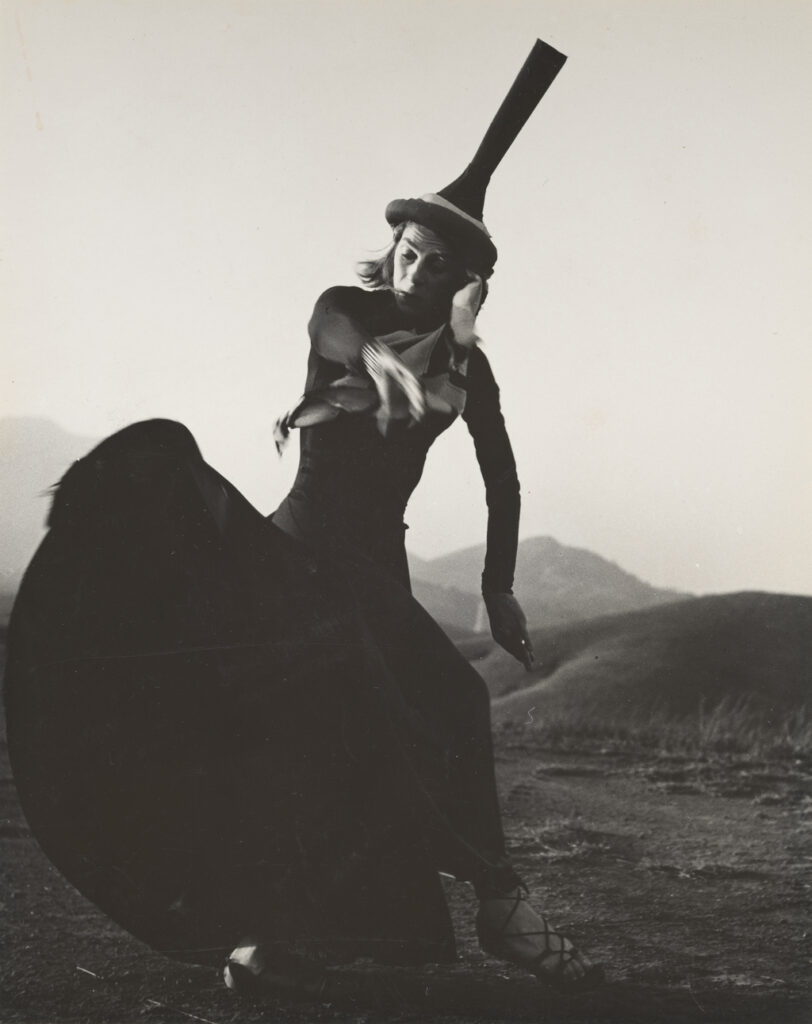
Drawn primarily from SFMOMA’s permanent collection, Feel the Beat: Dance in Photographs traces different ways image makers have represented dance. The exhibition opens in the Bay Area with dancer and choreographer Anna Halprin. In the decades after World War II, her experimental approach to movement transformed dance with her belief that it emerges through everyday gestures. The next gallery examines the collaboration between professional dancers and photographers, foregrounding the discipline and emotional intensity of trained bodies before the lens. At its center is the series Kamaitachi, Eikoh Hosoe’s partnership with Tatsumi Hijikata, founder of Butoh, a radical postwar form of Japanese dance theater. The final gallery shifts from the stage to social spaces, anchored by Malick Sidibé’s Mali Twist, where amateur dancers in clubs and parties radiate collective energy. Together, these works position photographers not as spectators, but as full participants in the experience of dance.
Read more about the exhibition in Feel the Beat.
Major support for Feel the Beat: Dance in Photographs is provided by the Pritzker Exhibition Fund in Photography.
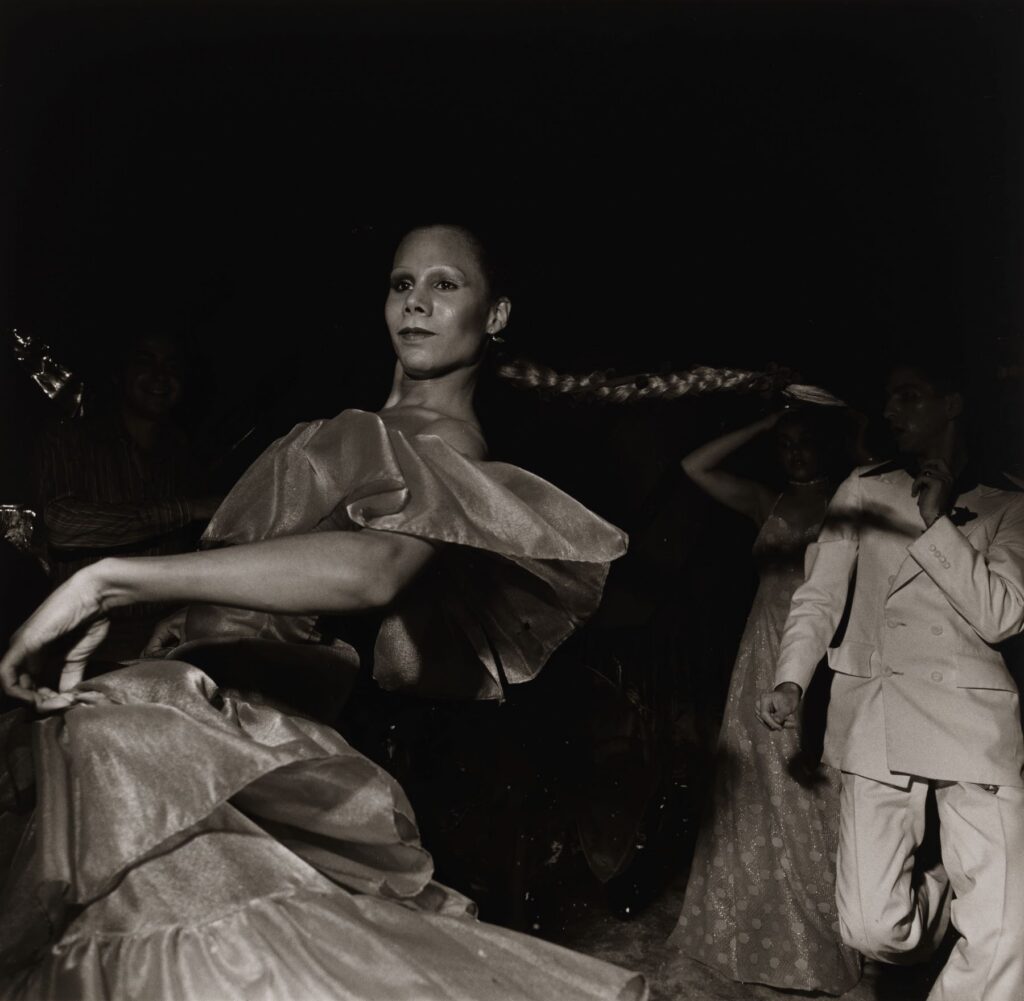
Header image: Larry Fink, Studio 54, New York City, 1977 (detail); collection SFMOMA, Accessions Committee Fund purchase; © Larry Fink/MUUS Collection