
What happens when a medium devoted to freezing a moment encounters one propelled by motion? Feel the Beat: Dance in Photographs brings together roughly eighty photographs spanning a century of images from SFMOMA’s collection to explore how movement can be distilled into a single frame. The exhibition looks at how photographers have honored the energy of dance, and how dancers have used the camera to extend the life of a gesture.
This dynamic presentation begins in the Bay Area with dancer and choreographer Anna Halprin and the San Francisco Dancers’ Workshop. A series of fourteen photographs by Irving Penn anchors this gallery. “When Penn photographed the group in the mid-1960s, the dancers appeared strong and graceful without seeming posed,” says Shana Lopes, assistant curator of photography. “Their movements echo Halprin’s idea that everyday gestures could become their own kind of dance.” Ephemera in the exhibition trace the Dancers’ Workshop’s events and performances at SFMOMA during the 1970s and reflect the depth of Halprin’s influence in the region.
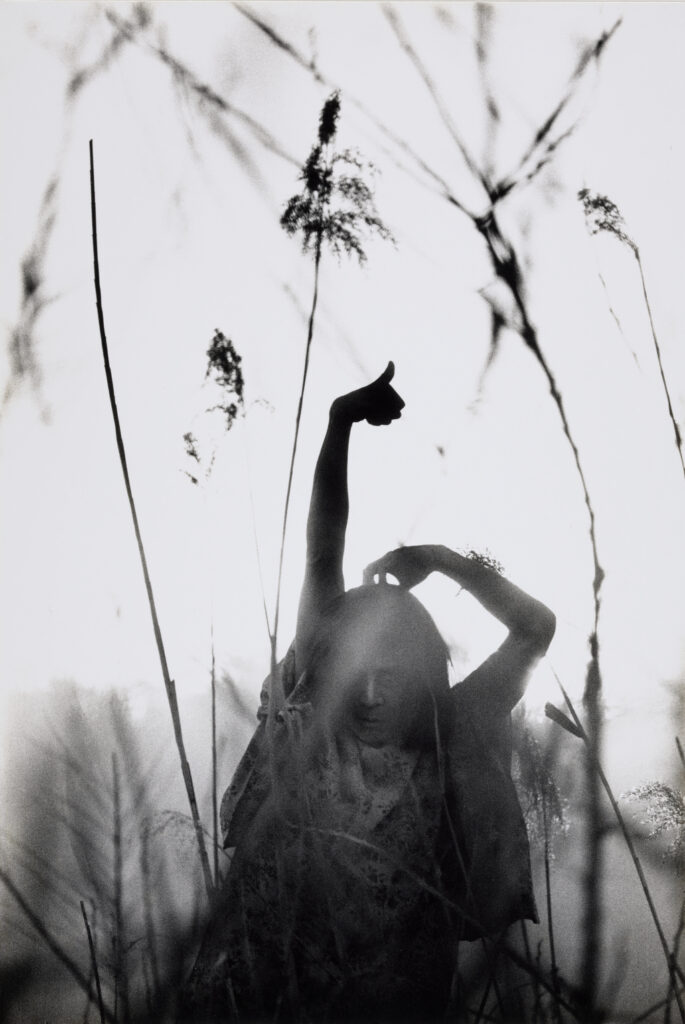
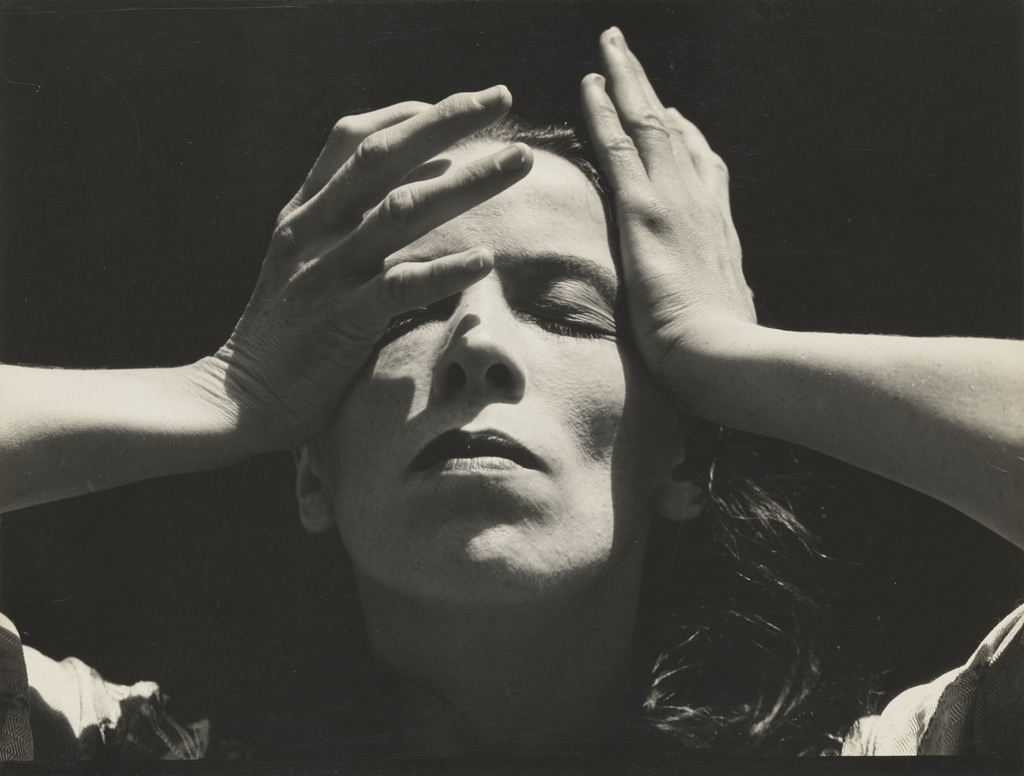
The second gallery examines dance and photography beyond San Francisco’s borders, focusing on artists working all over the world. At its center is Kamaitachi (1968), the collaboration between photographer Eikoh Hosoe and Butoh founder and choreographer Tatsumi Hijikata. The pair returned to the rural landscape of their childhood and transformed it into a site of performance. “Hijikata,” Lopes explains, “moves through the countryside as if he were a spirit from a local myth, startling farmers and children along the way.” Surreal, gritty, and very cinematic, the photographs speak to the emotional landscape of postwar Japan and the developing dance form of Butoh. Works by Imogen Cunningham, Barbara Morgan, Robert Rauschenberg, Richard Avedon, and others expand this conversation to highlight how photographers helped shape the public image of twentieth-century dance.
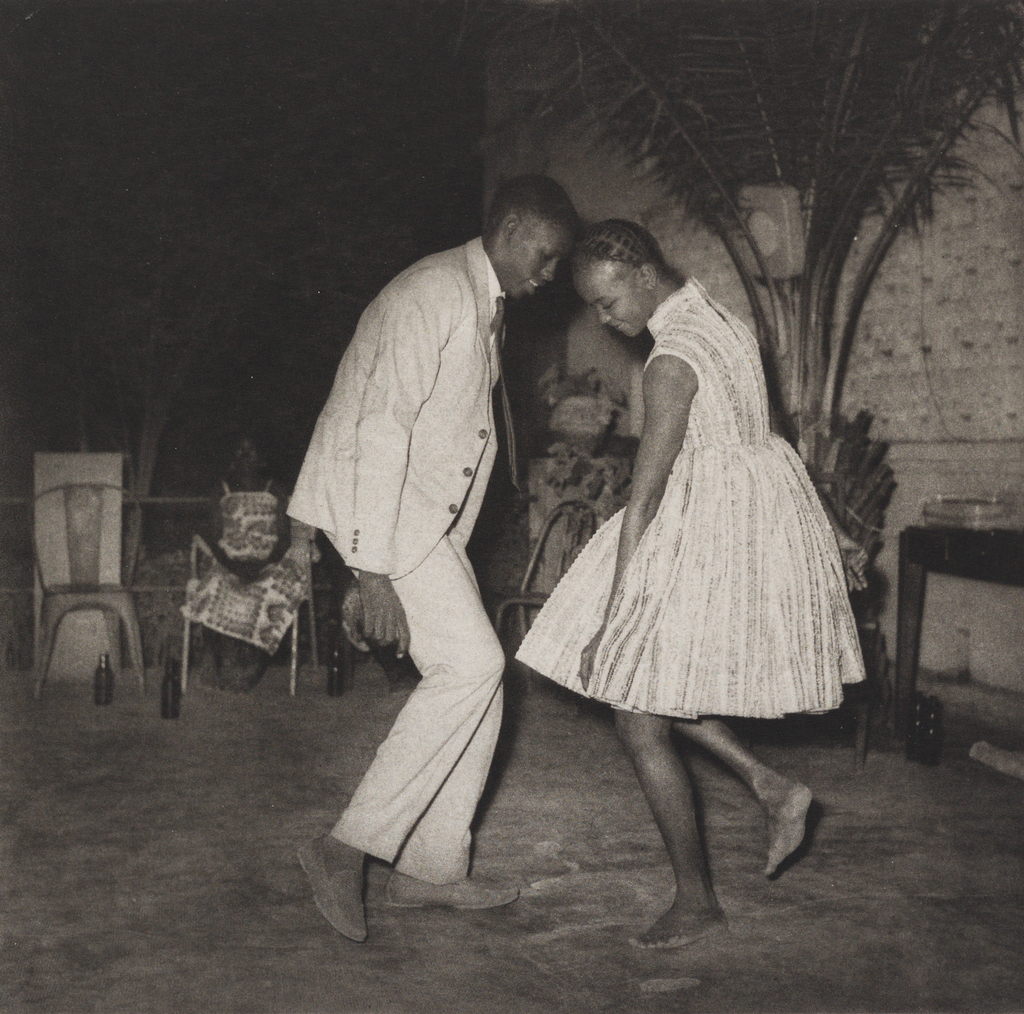
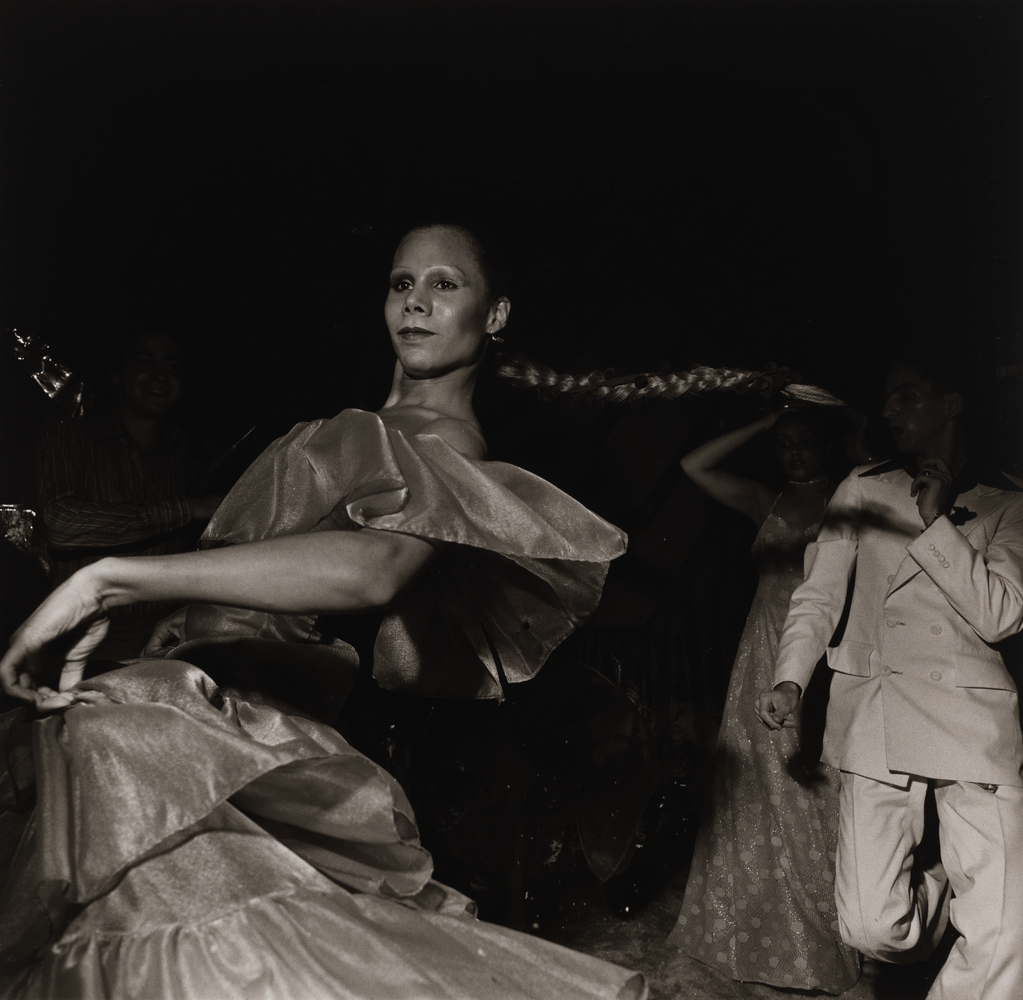
The final gallery turns from the stage to social spaces. Grounded in Malick Sidibé’s portfolio Mali Twist (1969), this section of the exhibition celebrates the joy of amateur dancers and nightlife. Sidibé photographed parties in Mali’s capital, Bamako, in the 1960s, a moment when music signaled new freedoms and young people claimed space on the dance floor. It emerges as a site of intimacy and connection, reflected in pictures by Nan Goldin, Larry Fink, Janine Gordon, Weegee, and others.
Feel the Beat: Dance in Photographs is on view May 16, 2026–January 31, 2027, on Floor 3.