The museum will be closed September 14–16, 2026 for a private event. The Museum Store will remain open to the public from 3rd Street.

With her star on the rise, Graciela Iturbide (b. 1942) had her first solo museum exhibition in the US at SFMOMA thirty-six years ago. Now considered one of the foremost living photographers, Iturbide returns to the museum in Between Two Worlds, a career-spanning retrospective covering five decades of her singular lyrical vision. The exhibition’s thematic galleries display her deep engagements with Indigenous communities in Mexico, recurring imagery of rituals, landscapes, birds, and plant life, and sojourns in India, Italy, the US, and beyond.
Iturbide’s artistic career began in the late 1960s. She first studied cinematography, but after meeting canonical Mexican photographer Manual Álvarez Bravo, she shifted her passion toward photography. Assistant Curator of Photography Delphine Sims says, “Iturbide speaks of her mentor with great admiration and respect. She recalls his influence on her relationship to time, which encouraged her to languidly wander and let ordinary moments in Mexican life appear before her camera.” Her practice is also characterized by her consensual approach, built on long-term relationships within communities such as the Zapotec of the Juchitan, the Seri of Sonora, and Mexican Americans in Los Angeles, among others. Adds Sims, “She often thinks of her work as poetic interpretations, like their own dreams or fictions.”
Sims and Curatorial Assistant of Photography Alex Landry organized the SFMOMA presentation of the exhibition, which originated at the Fundación Mapfre in Madrid. Alongside iconic works from Mapfre’s holdings, the SFMOMA iteration features photographs from the museum’s collection, such as La Nuestra Señora de las Iguanas, Juchitán, Oaxaca, México (Our Lady of the Iguanas, Juchitán, Oaxaca, Mexico) (1979). “It is an honor to return Iturbide to SFMOMA, where we can once again showcase the wonder of her early work as well as offer a sprawling display of the evolution of her career,” says Sims. “To echo Iturbide’s reference to Álvarez Bravo, slowing down is important to how I conceptualized the show. I hope visitors meander, allowing the layers of symbolism in her photographs to unravel before them.” Below, Sims and Landry share six selections from the exhibition that merit a mindful look.
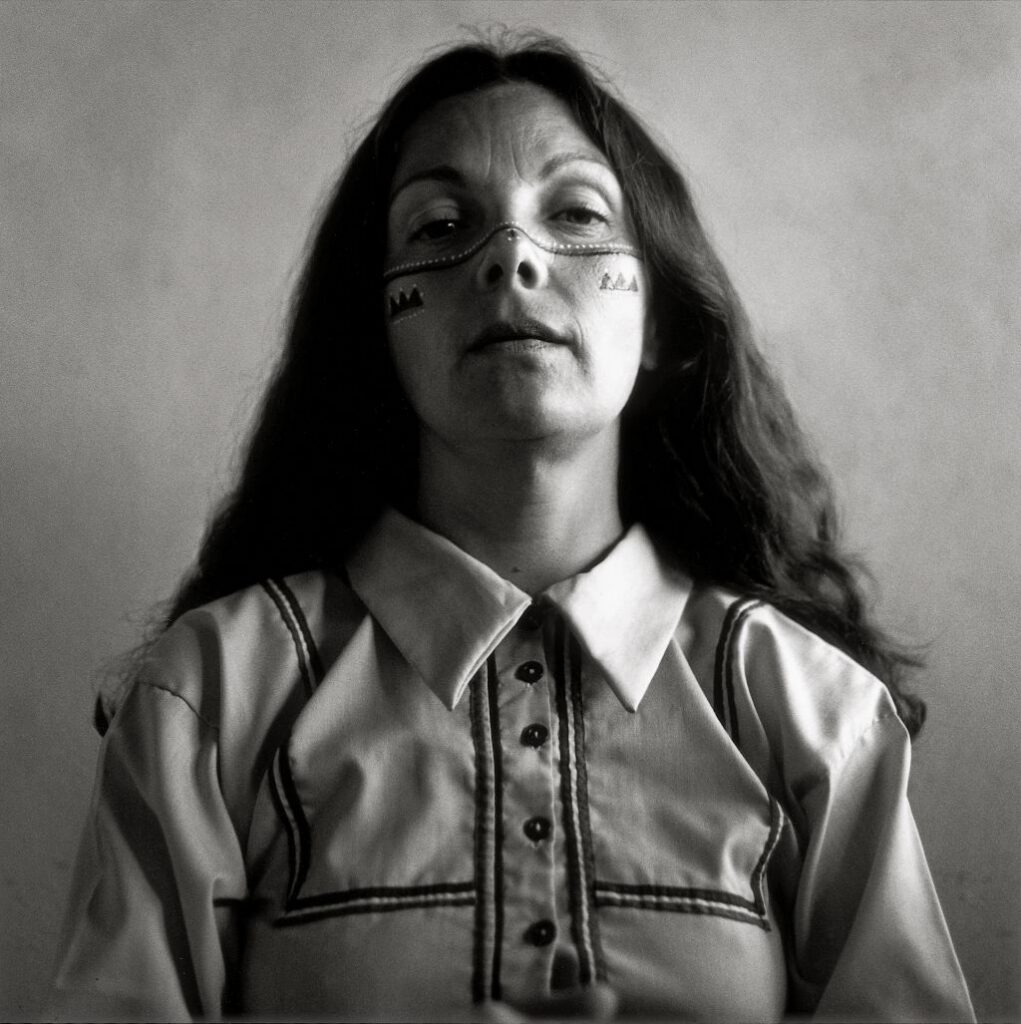
1. Autorretrato con los indios seris, desierto de Sonora, México (Self-Portrait with the Seris, Sonoran Desert, Mexico) (1979)
In this self-portrait (pictured above), delicate spots of paint dance across Iturbide’s cheeks and nose, documenting the face painting traditions of Comcáac or Seri Indigenous peoples. Several Seri women asked to ornament Iturbide’s face, embracing the photographer’s thoughtful presence as she lived in their community.
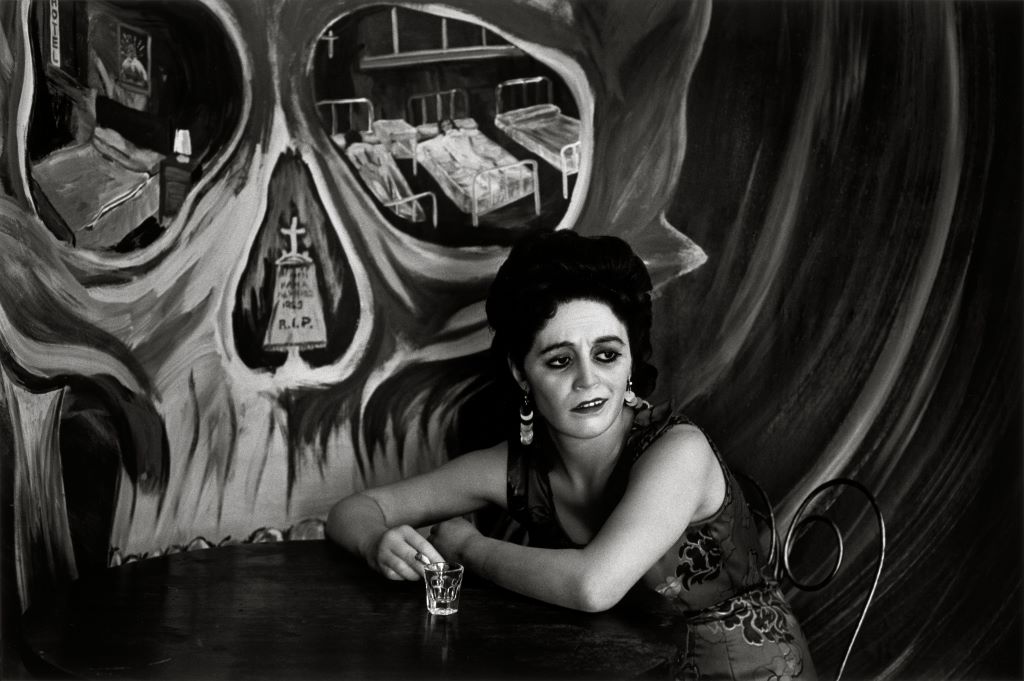
2. México (1969)
As she wandered Mexico City’s streets, Iturbide came upon a strange layering of representations: a wax figure seated before a mural depicting illness and death. She describes this uncanny image as symbolic of Mexico.
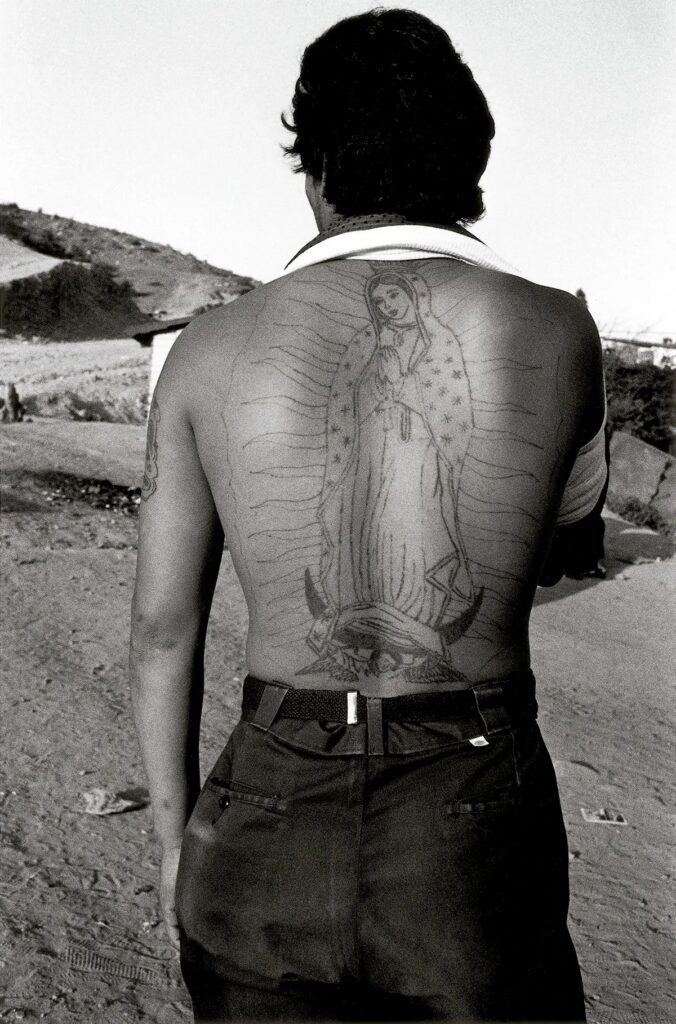
3. La Frontera (The Border) (1989)
Iturbide photographs this man slightly askew; with his right arm tucked and shirt folded over, revealing his Virgin of Guadalupe tattoo. His vulnerable movement suggests a shared moment of trust as they navigated the oppressive geography of the US/Mexico border.
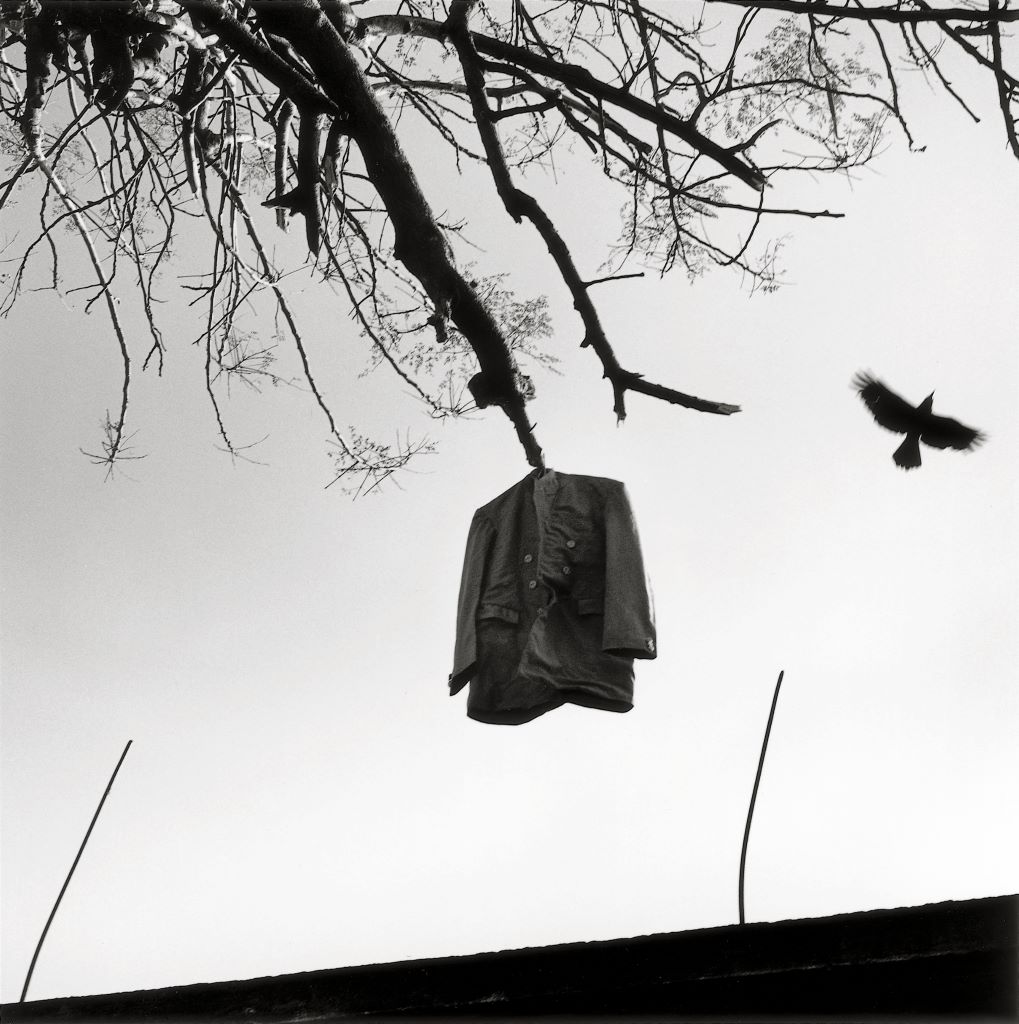
4. Khajuraho, India (1998)
During her first sojourn to India, Iturbide photographed the symbolic freedom and aerial dance of birds in flight. She later realized that birds had appeared frequently in her work.
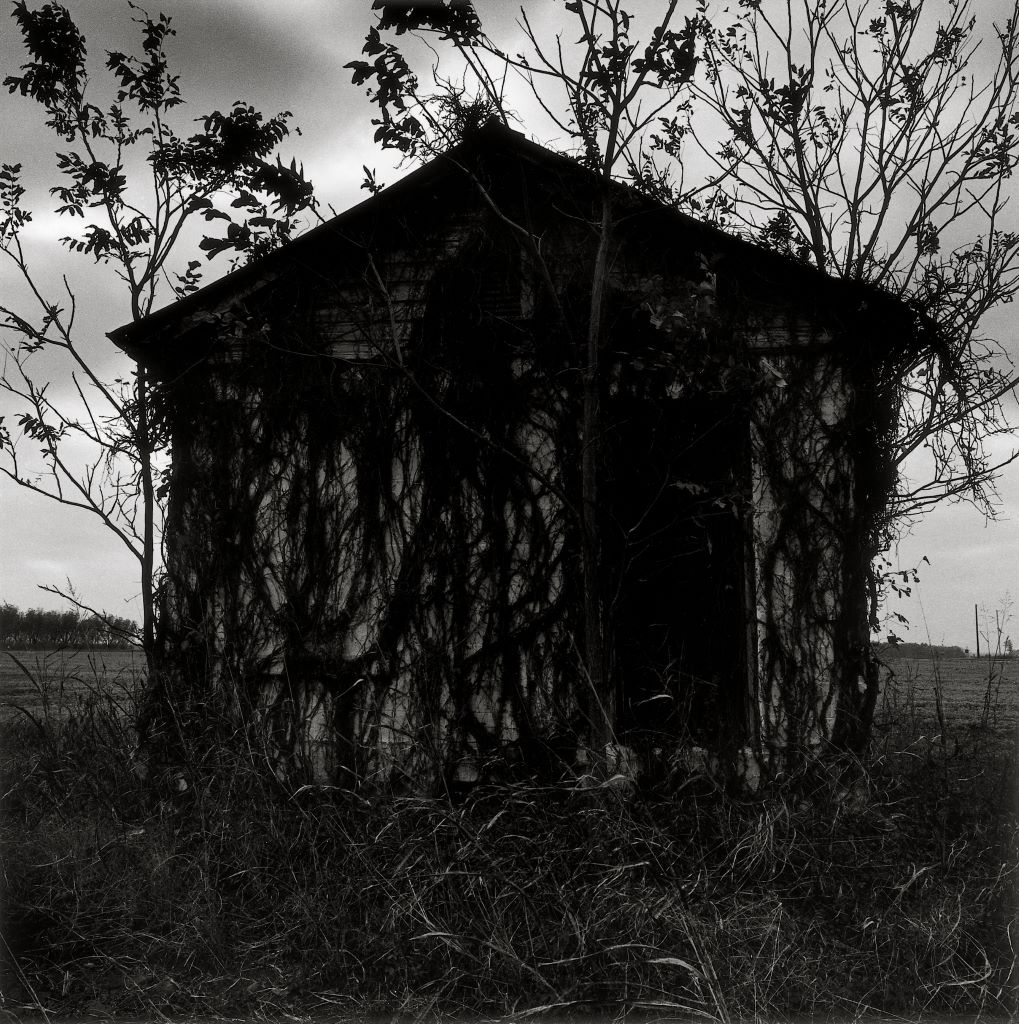
5. Carretera 61, de Clarksdale, Mississippi, a Memphis, Tennessee, Estados Unidos (Highway 61, from Clarksdale, Mississippi, to Memphis, Tennessee, United States) (1997)
The inevitable and ferocious growth of vines, an empty billboard over cotton fields, a flock of birds under the beating sun, and flat, flat land — these are some of the indelible features of the American South that Iturbide depicts with her camera.
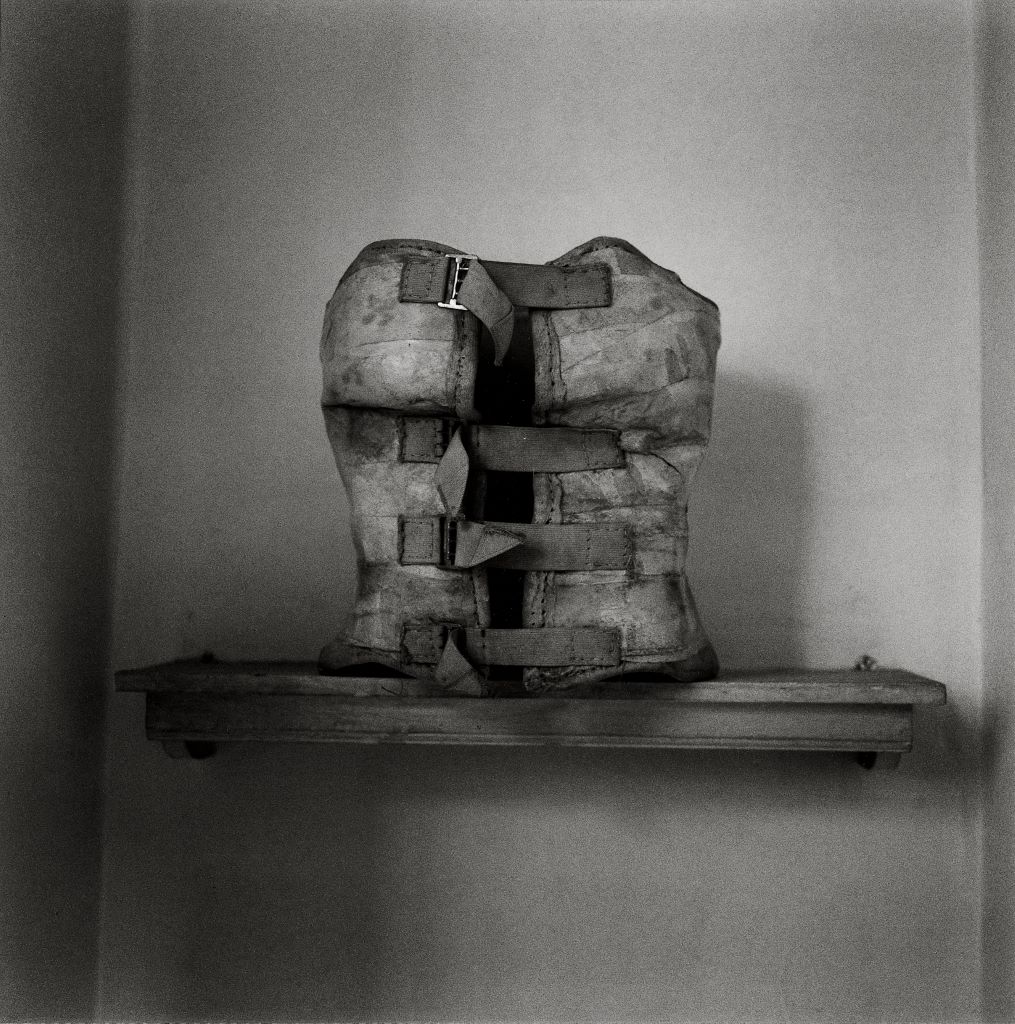
6. El baño de Frida, Coyoacán, Ciudad de México (Frida’s Bathroom, Coyoacán, Mexico City) (2006)
The past, pain, and death are recurring motifs in Iturbide’s photographs. Frida Kahlo’s corset, one of the iconic artist’s many personal effects photographed by Iturbide, here sits as a reliquary of Kahlo’s indomitable spirit.
Graciela Iturbide: Between Two Worlds is on view through November 29, 2026, on Floor 3.