

RM reflects on the themes of each gallery, everyday beauty, and questions of human existence. Listen in English or Korean.
Producer’s note: To preserve the authenticity of RM's voice and lived experience in both his primary and secondary languages, this audio guide was produced bilingually from two separate unscripted interviews—one in Korean and another in English—rather than translated. The content and experience will differ slightly between the English and Korean tours. Thank you for listening.
RM이 각 갤러리의 주제들, 일상의 아름다움, 그리고 인간 존재에 관한 질문들을 깊이 있게 담아냅니다. 영어와 한국어로 들을 수 있습니다.
제작자의 노트: RM의 목소리와 삶의 경험의 진정성을 그의 모국어와 외국어 모두에서 생생하게 전달하기 위해, 이 오디오 가이드는 단순히 내용을 번역하는 대신 한국어와 영어로 각각 진행된 두 번의 즉흥 인터뷰를 바탕으로 제작되었습니다. 영어 투어와 한국어 투어의 내용과 경험은 약간 다를 수 있습니다. 청취해 주셔서 감사합니다.
Hello guys. My name is RM. I'm the leader of the group called BTS, and my Korean name is Kim Namjoon, and I'm a 31-year-old from South Korea. This exhibition is called RM SFMOMA, but, you know, it's about my personal things – so I prefer to be called as Namjoon. Or you could call me Joon, like, if it's too long.
It feels like I'm already in the space and I could see the people, like waiting in line. What I always looking forward to is… I don't know how, what it's called in English, but it's, it's ‘seollem’ in Korean.
How do you say in English? Butterflies? That sounds really romantic, but more of a like, um, you know, like expectations, for like what's gonna happen. What is today's dinner that the curators prepared for me, the chef?
Art makes me laugh and cry. And I felt really jealous because music could remain as electricity, like frequencies. It could sound different by the equipments and medias. But painting is just that one single painting. You could just get it, face it. So I just really envied the fact. But I think a lot of artists sometimes, they feel jealous of music because music could be everywhere, like in the air, when you drive, when you take a shower. But for art, like, you should go to this, like a museum. So I think that's the difference of medium. But they are all the same languages.
I make an album because all of my feelings can't be just translated by words. So that's why I make music. This exhibition is, is with the same context. I just hope you have fun. If you feel bored, just quit or just stop listening and just look through it. If there's an interest or a good memory or a curiosity or whatever, if you have something memorable after you see this exhibition, I think that's all. That's the only duty when it comes to an exhibition. Yeah, just have fun and welcome to my world. I appreciate your spending time with my confusion.
네, 안녕하세요. 저는 이제 RM이라고 BTS에서 리더를 맡고 있고요. 그리고 이제 서른한 살이고. 김남준이라는 이름을 가지고 있는, 대한민국에 사는 사람입니다. 남준으로 하시죠. 어떻게 보면 제 되게 사적인 얘기를 되게 앨범 말고서는 이런 식으로 푸는 거는 처음이라서.
많은 분들의 도움으로 시작하는 전시입니다. 보시면 혼란스러워요. 도대체 이랬다가 저랬다가. 뭐 무슨 요시토모 나라 나왔다가 백남준 나왔다가 뭐, 뭐 굉장히 혼란스럽거든요, 사실.
제가 집에서 진짜 가지고 있고 제가 정말 한 점 한 점 열심히 모은 거를 제가 꺼내놓는 거니까. 그냥 딱 들어왔을 때 되게 설레는, 이 전시를 기대하면서 올 때 그 설렘이 있는데. "와, 도대체 뭐 어떤 식으로 해놨을까? 와, 진짜 재밌겠다." 약간 처음 가는 놀이공원 같은 기분을 느꼈으면 좋겠어요.
이야, 진짜 뭐 그런 생각하지 않을까요? 참 별걸 다 한다. 진짜 얘는 진짜 좋아하긴 하나 보다. 그 가짜같이, 아, 이 말이 조금 그렇긴 한데 뭔가 좀 좋아하는 척하는 척하고 싶지 않아서. 좀 "아, 얘는 진짜 좋아하는구나. 진짜 뭔가를 하려고 했구나" 라는 마음이 들어서 그것이 기대로 연결됐으면 하는 그런 바람이 있습니다. 그냥 아무 생각 없이 보시고 무언가 기억에 남는 게 있으면 단 한 명의 한 작품, 혹은 이 전시 자체가 기억에 남으면, 그걸 찾아보고 뭔가 그거에 대해서 알아보고 거기에 대한 애정이 만약에 나중에 생겨서 그거에 대한 애정이 들어가면, 그것만으로도 저는 한 전시는 그 소임을 다했다고 봐요.

Blue and water. Blue was my favorite color, from when I was really young. I-I don't know why. I really like the multi-meaning that the English word blue has. I think blue has, includes a lot of stories inside. The sky is also blue, the water is also blue, our feelings are blue sometimes. So I think blue is the start to me. That's why I started the exhibition from blue. We all came from water, so... blue is water, and water is blue to me. I just hope the people could really feel more intimate and, and personal at the same time.
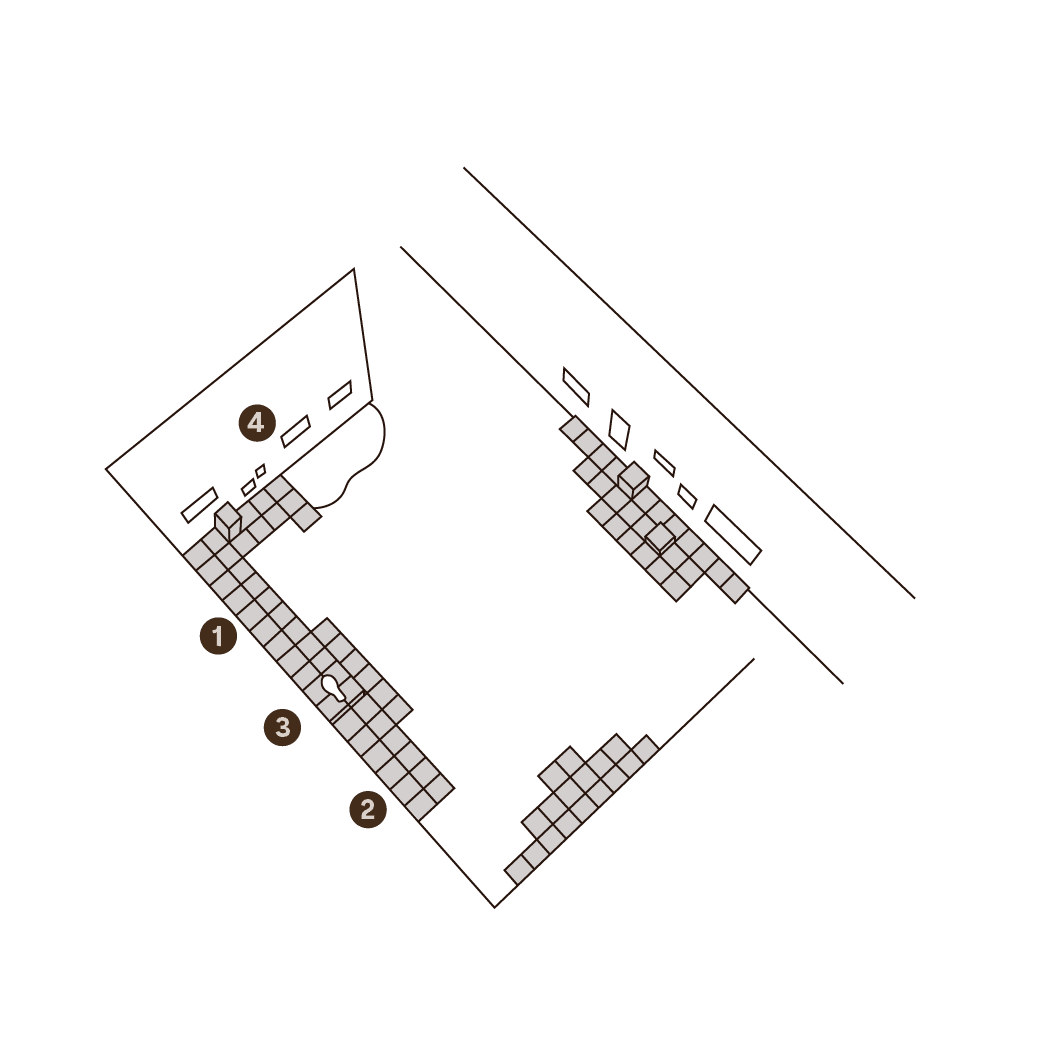
It starts with one single painting of Kim Whanki.
He painted a lot of blue. So there is a, um, noun called Whanki blue. This means a lot for both me and, um, SFMOMA as well. I think this painting could tell this whole exhibition. Mr. Kim – he was the, one of the first painter I got to know, when I started to, uh, study the Korean artists. He passed away in New York in 1974. His wife tried to give his painting to a lot of institutions in America, but he was not that famous, in that kind of period, because he was from South Korea at that time. She gave this painting to SFMOMA in 1979. I really want to introduce him well. I also brought my small painting of Kim, which was in my living room. So it could have this kinda communion and stories together between me and SFMOMA, the Koreans and Americans – so I really wanted to start the exhibition with this painting.
The glass of Roni Horn. It's there. It's like on the floor. It's at the back, with a veil. It looks like a glass here. It looks like an ice. A lot of people want to touch it. It looks like a, um…‘압축된?’ Uh, it's like shrinked weather. and the nature of, maybe Iceland or, or, or somewhere else. It looks like ice. It looks like water. It looks like weather. It looks like rain. So this feels really strange and everyone wants to touch it. I hope you're not, you don't touch it, but I'm sorry. But I thought there was really water inside, but it's a glass. I think that's a fun point of-of a sculpture. When you imagine a material to be something like this, but once you see it, it's totally different. The illusion, the imagination is – it always betrays you.
첫 번째 섹션이 블루 워터라는, 또 파란 물에 대한 섹션으로 시작이 되는데. 이제 제가 인디고, 그러니까 뭐 정확하게 말하면 파랑은 아닌데 파랑 계열이죠. 자연에서 염색될 수 있는 쪽빛인데. 그런 색을 주제로 앨범을 낸 적도 있어요, 제가. 그래도 유일하게 어렸을 때부터 좋아하던 색이 파랑인데. 그리고 이제 영어로 하면 블루가 또 되게 우울하다는 말이기도 하잖아요. 그래서 다양한 파랑이 있어요, 이 안에도.
이브 클라인의 파랑, 김환기의 파랑, 유영국의 파랑, 또 조셉 알버스의 파랑, 로니 혼의 물, 정상화의 시냇물 이런 것들이 있는데. 걸어 다니면서 참 파랑과 물이 이렇게 다양한 형태로 존재할 수 있구나. 좀 사람들한테 그래서 조금 친숙하고 익숙하고 자연스러운 그런 색과 매체. 물이라는 것. 그런 걸로 되게 스무스하게 시작하고 싶었던 것 같아요, 기분 좋게. 물처럼 흐르게 시작하고 싶었습니다.
김환기 선생님. 뭐 한국에 계신 분들은 이제 많이 아시죠. 한국에서 가장 뭐 비싼 작가다. 한국 추상회화의 뭐 선구자다. 너무 좀 거대한 수식어들로 시작이 많이 되는데. 실제로 제가 가장 좋아하는 화가 중에 한 분이시기도 하고. 이 작품으로 시작하는 게 가장 완벽한 시작이다. 그래서 처음부터 이 그림으로 시작을 하는 거를 저는 머릿속에 정해놓고 시작을 했습니다. 또 이 작품이 좀 사연이 있는데, 김환기 선생님이 사후에 돌아가셨을 때 이제 그 부인이셨던 김향안 선생님이 그 뒤에 몇 년 동안 그 미국 기관들에서 김환기 선생님의 그림을 기증을 하려고 노력을 되게 많이 하셨어요. 이 SFMOMA에서 이 김환기 선생님의 그림을 가지고 있었다는 걸 저는 이제 알고 있었는데, 전시 전부터. RM과 SFMOMA가 만나는 전시인 만큼 나도 사랑하고 둘 다에게 되게 의미가 있는 작품이면서. 그래서 이 작품을 저라는 사람의 맥락으로 또 끌어와서, 제대로 좀 멋있게 이 전시의 포문을 여는 작품으로 시작을 하고 싶었고.
그 로니 혼이라는 이제, 아이슬란드의 빙하, 빙하를 떠올리게 하는 작품인데. 처음에 리움 미술관에서 봤던 것 같은데 물이 고여있는 줄 알았어요, 유리 안에. 그래서 와, 이거는 물을 맨날 갈아주나? 나중에, 나중에 알았어요. 그냥 유리 조각이라는 걸. 되게 특수한 공정을 통해서 이게 5년 동안 굳히고 뜨겁게 하고 해서 되게 특수 제작된 유린데. 이 조그마한 조각 안에 되게 변화무쌍한 날씨, 그러니까 물이든 비든 빙하든. 여러 가지 물의 형태가 담겨져 있다고 생각이 들어서, 그 반전? 그게 되게 이 비주얼 아트의 촉감, 시각적인 되게, 그 사람의 감각을 혼란시키는 재밌는 지점이라고 생각하는데. 그런 면에서 너무너무 이것저것을 다 잡은 되게 욕심쟁이 작품이다. 사실 다른 아티스트들이 보면 “난 왜 저걸 생각을, 구현을 못 했을까” 싶을 정도의 너무너무 좋은 작품이라고 생각합니다.
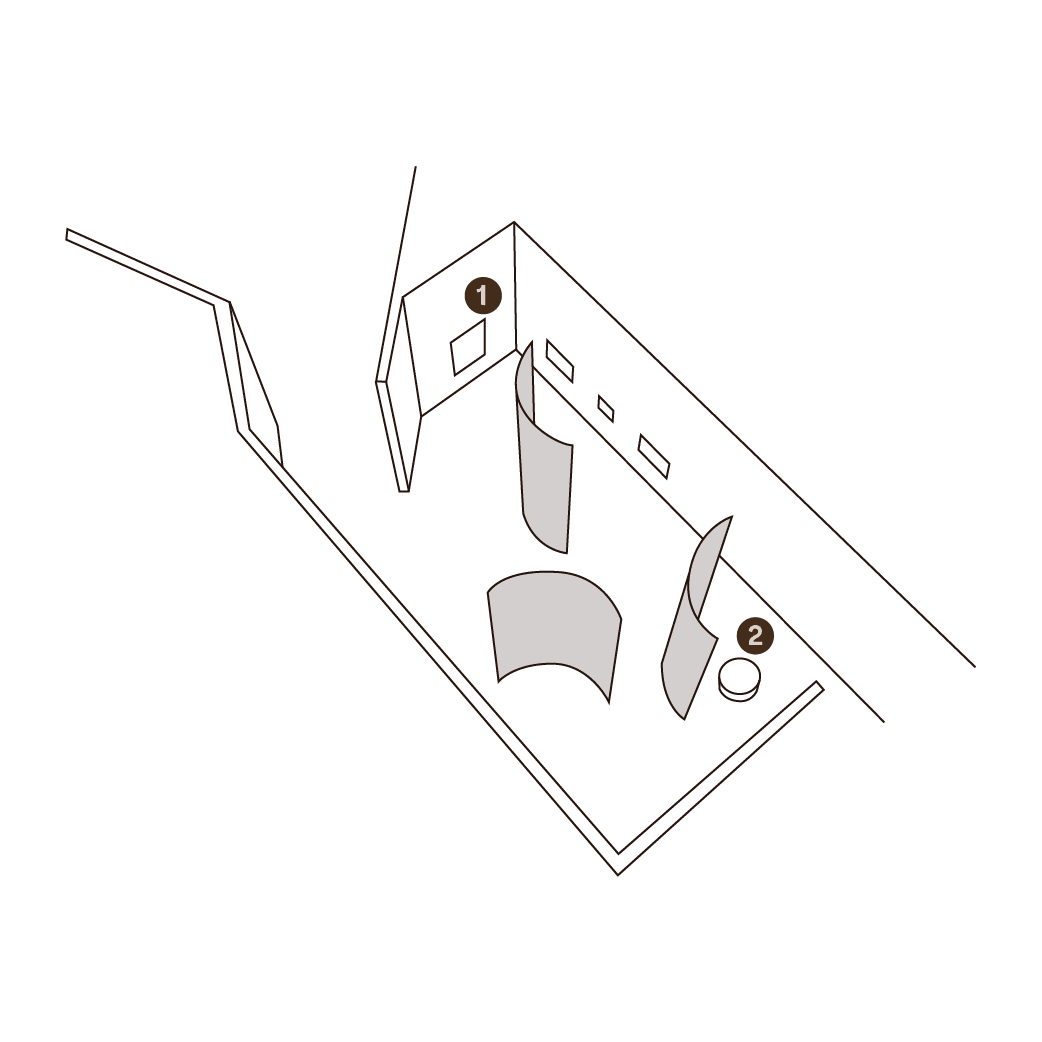
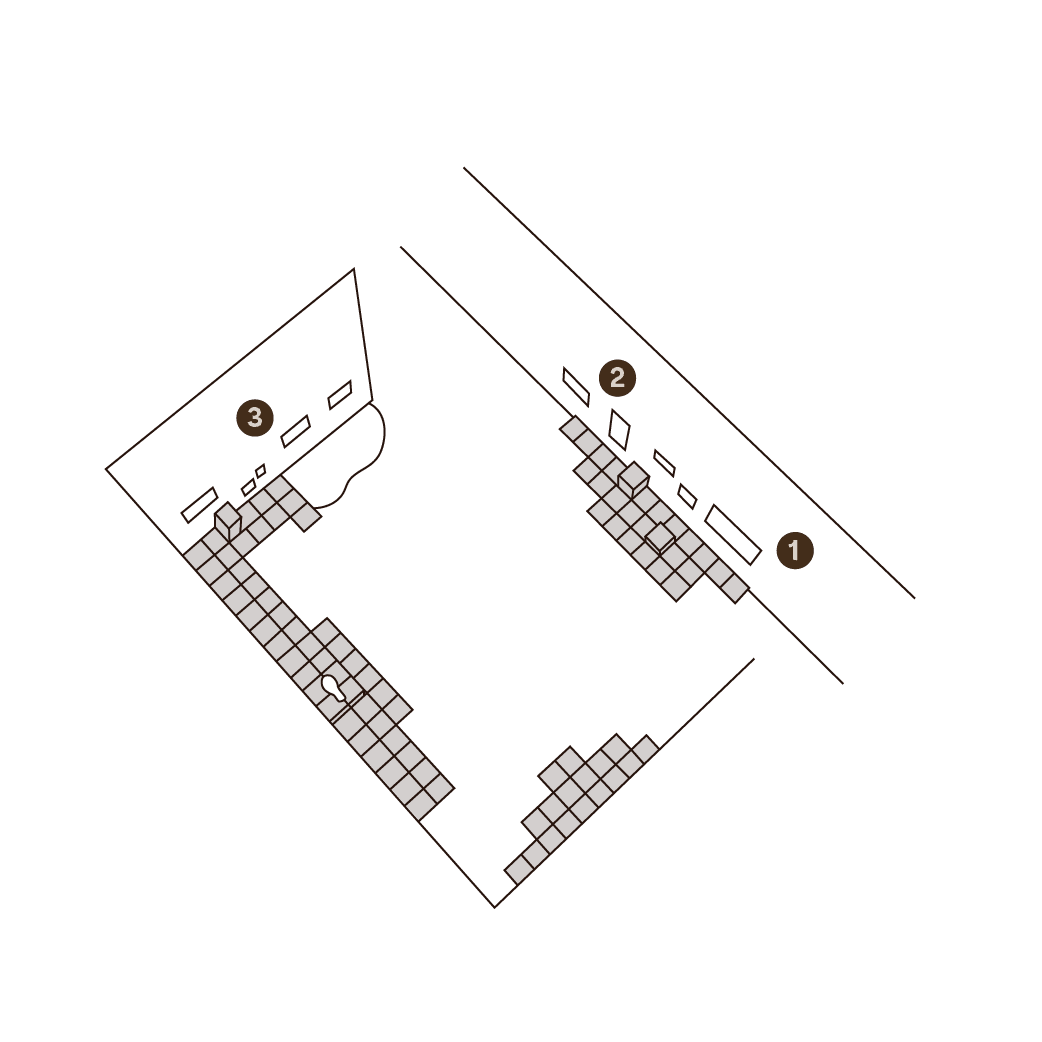
Yeah, Friendscape. I think the name is really strange. Animal is our friend. And the landscape, they're also our friends. So I just kinda made a wordplay. The landscape to a friendscape. So there are a lot of animals, trees, plants, mountains… I wanted to bring, like a scenery of a nature to this gallery. I feel really personal when I see these artworks. They're my friends.
And you can see the painting from To Sangbong. It's, uh, it's a scenery of our old Korean palace; the back garden of the Korean palace. And it looks like a fall.
And for the winter, I installed this, the winter landscape of Kim Chong Hak. You could see two birds – two ducks flowing through the fountain. No, what is it? Uh, the water. Yeah, so I, I change the painting in my bedroom from season to season. It's always so happy to see how different artists see the same thing differently from time to time or from, from place to place.
I just renovated my house, so it's, it's always changing. But there was, in my, what do you call it? Sleeping room? Uh, master room. Bedroom. Oh my God. Why did I forget the word? But I change it sometimes from seasons to seasons, because Korea has four different seasons, from spring, summer, fall, and winter. And Koreans are really sensitive to it. For summer, I set this mountain from Park Kosuk. It's a landscape of a Korean mountain, and for me it's like a summer. There are a lot of mountains in Korea, and I've heard that, like, every mountains had their tigers a hundred years ago. We feel really close to tigers. They're kings and queens.
I wanted this whole exhibition to be really more personal. And there are a lot of conventional pieces like paintings, sculptures, but I hope it could be displayed in a, kinda like an unconventional way. Oh, if an institution has an exhibition, they would never do stuff like this. But I'm the head of this exhibition so I could do it. Whatever I want, because I'm not a official, official curator. I'm not a major.
Uh, the ducks! This is from like nineteenth, eighteenth century. They're old ducks made of wood from Joseon Dynasty. They were mostly made for the married couples, like wishing them a great future in life. They look all different, like humans, and when I always s-see them, I feel really, um, home.
친구랑 풍경이 합쳐진, 이제 친구가 있는 풍경인데. 동물은 인간의 가장 친한 친구다. 그게 사실 맞는 말일 수도 있고 아닌 말일 수도 있죠. 근데 동물 조각들을 싫어하는 사람들은 또 없을, 그러니까 많이 없을 거라고 생각이 들어요. 그래서, 또 제가 한국 사람이다 보니까. 한국에 계신 화가분들은 굉장히 산이 또 많으니까 한국에. 산과 하늘과 나무, 물 이런 것들을 많이 그리셨는데. 누구나 다 쉽게 아, 이것이 자연이고 아, 이것은 동물의 조각이고. 그러나 매체가 다 다르고, 구현한 방식이 다 다른. 아, 산을 이렇게도 그리고.
나무를 저렇게도 그리고. 또 동서양의 다른 여러 가지의 최종 생각의 형태들을, 친숙한 그림과 조각들을, 좀 이상한 형태로 보여주고 싶었습니다.
제가 작품 하나하나가 다 언제 어디서 샀고 어떻게 샀는지도 거의 다 기억이 나는데. 요게 아마 제일 눈길을 끌 거예요. 목안이라고 하는 조선시대의 작은 나무 조각인데. 보통 이제 신랑 신부가 결혼할 때 쌍으로 만들어서 선물해서 안녕과 기원을 바라는 되게 소박하고, 사람이 사람을 생각하면서 만드는 이 한 쌍의 오리, 기러기, 원앙? 뭐 이런 것처럼 잘 살아라. 그래서 약간 페이크 폰드를 만들었어요. 가짜 연못을 만들어서. 그 위에 아무도 – 왜 이 목안을 실제로 물에는 안 띄우는 걸까? 물론 그러니까 망가지니까, 나무니까 안 하는 거겠지만 – 그런 이상한 짓을 좀 해보고 싶었고. 이 목안을 볼 때 사실 누가 왜 만들었는지도 몰라요, 언제. 근데 다 다르게 생겼거든요. 사람들처럼. 그래서 가장 좀 친밀하게 느끼는 동물들이에요. 그냥 기분이 그냥 좋아요. 옛날에 한국 집들을 보면은 문인석 서 있고. 막 그 해태 같은 거 있고 이렇잖아요. 그런 것처럼, 집을 지켜주는, 혹은 저를 반갑게 맞아주는 약간 마트 앞에서의 이런 풍선 같은 그런 느낌. 약간 저희 집에 있는 토템 내지 호크룩스 같은 그런 느낌입니다.
이제 이원찬 선생님의 호랑이와 웨인 티보의 호랑이인데, 둘 다 제가 진짜 좋아하는 작가예요. 뭐 이거는 동양의 호랑이, 저거는 서양의 호랑이, 뭐 이렇게 이분법적으로 나눌 수도 있겠지만. 그냥 같은 동물을 생각하면서 이렇게 시차를 두고 재질도 다르고 소재도 다르고. 좀 그런 재밌는 부딪힘을 한번 보여주고 싶었어요. 둘은 글쎄요. 뭐 이제 담배 한 대 피면서 “요새 좋겠다. <케데헌> 때문에 좀 떠가지고. 야, 나는 나 때는 사람들이 호환이라 그래서 착호갑사도 만들고 그랬는데. 쫓아내야 될 대상이었는데. 이제는 사람의 가장 친한 친구라니, 시대를 잘 타고났다." 이러지 않을까. 요새 호랑이가 되게 대세잖아요. 뭐 이래서 시대도 중요하다.
The music you are hearing in this gallery was curated by RM. Save the playlist on Spotify or Apple Music and continue your journey through the exhibition.
Art could be home, but at the same time, art could be like a horror movie. Some arts make me really feel like I'm home, but some arts, they help me get out of the cage and think about the things that I've never thought about in my whole life. It could be both sides at the same time.
But these are arts that make me really feel grounded and I'm home.
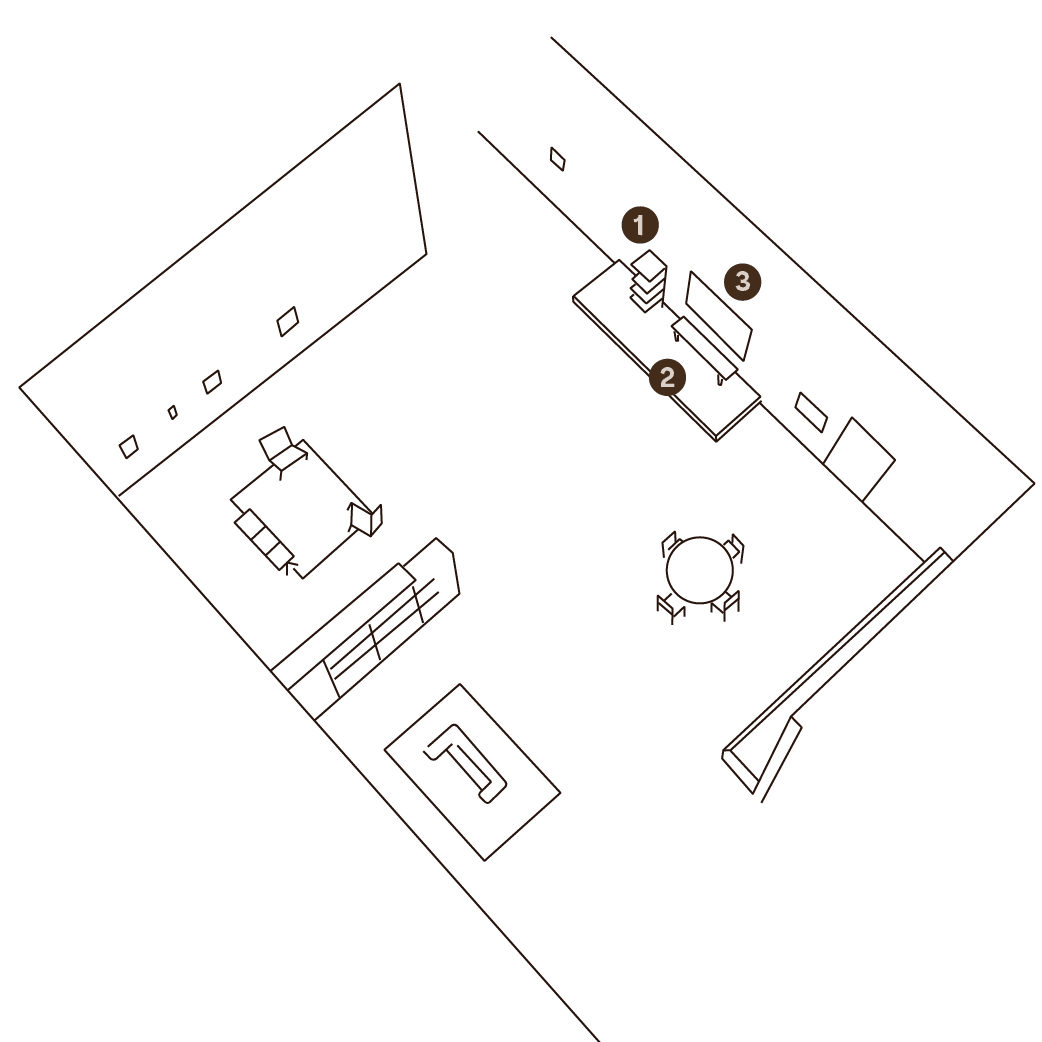
You could see the old wood furnitures. And it's also from like eighteenth, nineteenth century. Maybe somebody have used it in their homes a hundred years ago. I love the things left, you know, like holes and scratches, on those woods. I do use it in my home and I feel, I don't know why, but woods and stones, they just feel like home to me. Maybe it's from the mother nature, that's why. When I see these old wooden furnitures and stones, I feel like, like I'm safe. My mentor would always tell me like, “You're going to go back into the soil someday.” The real home.
When you see the biggest painting of Son Sangki, it's a painting of a living room which looks very rich. And there is also a painting inside the painting. Son Sangki, he lived a hard life. He was disabled for most of his life. He was in this undeveloped town of Seoul, and he painted a lot of white, high walls of Seoul, which are ready to be renovated. He named this painting, Irony, and his painting is installed in a very, very rich living room. So when I see this painting, I always, like, feel like, "Am I being a boring rich person?" Or something like that. Yeah, so it makes me really, um, uncomfortable, and I like it.
I came from like, like a normal home economically. But luckily I, I earned a lot of money in such a young age. Sometimes that makes me really, um I don't know. Like, do I deserve all these kind of things that I don't even need? His existence and his paintings are like alerts to me. Like, are you living really? Don't you think you are really getting used to these kind of lives and just wasting your resources? So you must use your money in a good way. I don't know what's a good way, but I'm still figuring it out.
이 갤러리에서 들으시는 음악은 RM이 큐레이션했습니다. Spotify 또는 Apple Music에서 플레이리스트를 저장하고 전시회를 통한 여정을 계속해보세요.
우리가 나름 편안함을 느끼는 장소들이 있죠. 카페라든가 뭐 자주 가는 식당이라든가. 여러 가지가 있는데. 홈은 그냥 홈이거든요. 그 영어에서의 홈은 또 되게 특별한 의미가 있잖아요. 제가 생활하는 동선, 제가 좋아하는 가구, 제가 안정감을 느끼는 빛의 조도. 뭐 이런 것들이 담겨져 있어서.
그 사람의 집을 보면 그 사람을 알 수 있다고 하잖아요. 그래서 제가 좀 편안하게 느낄 수 있는 것들이고. 실제 집과 물론 다르지만, 그 전체 무드만 봤을 때는 썩 비슷한 것 같아요.
하나가 좀 다른 게 이제, 손상기의 집 거실을 그린, 집 거실에 걸려있는 그림을 그린 그림. 액자식 구성의 그림이 하나 걸려있는데. 이 작품의 제목이 이제 ‘공작 도시’라는 시리즈의 <아이러니>예요. 그래서 손상기 선생님이 굉장히 아현동에 이제 막 재개발되고 있는 그 구역에서, 굉장히 쓰러져 가는 집에서 어렵게 사셨는데. 좀 장애가 있으셨기 때문에. 키가 굉장히 작으셨는데. 항상 높다란 서울의 벽을 그리셨어요. 흰 벽을. 까마득하게 벽을 많이 그리셨는데. 이 작품은 특이하게 어떤 부잣집에 딱 봐도 되게 유럽 가구들이 놓여져 있는 좋은 집에, 본인의 그림이 걸려있는 아이러니를 그리신 작품인데. 이 작품이 저희 거실에 걸려있었는데. 제가 보면서 약간 찔려 했던 – 나도 이제 그냥 그저 그런, 되게 재미없는 지루한 부잣집 샌님이 되어가고 있지 않나, 하는 생각을 할 때, 이걸 보면서. 항상 나도 창작자고, 물론 내가 열심히 운 좋게 일한 대가로 이런 것들을 얻었지만, 이것들을 어떻게 쓰고, 내가 앞으로 어떤 것들을 그려야 하는지를 항상 상기시켜 주는 작품이라고 생각을 해요.
그리고 그 옆에 걸려있는 거스턴의 책도 – 필립 거스턴이 이제 요새는 뭐 예술가들의 예술가다, 하면서 재조명도 많이 되지만. 원래는 그 로스코 같은 추상 표현주의를 하다가 갑자기 베트남 전쟁 후에 되게 만화 같은 구상으로 돌아가는데, 그때 욕을 진짜 많이 먹거든요. 동료 화가들도 등 돌리고. 비평가들도 무슨 장난 같은 구상화를 한다라고 했는데. 저는 그 본인이, 이렇게 꽃피웠던 세계를 버리고 다시 태어날 수 있는 그런 결단. 그때 했던 말이 이제 “내가 밖에서는 베트남 전쟁이 벌어지고 있는데 내가 아침에 일어나서 빨간색을 다시 파란색으로 칠하러 가는 게 뭐 하는 짓인지 모르겠다” 라는 말을 하신 적이 있어요. 그래서 그걸 자기의 세계를 버리고, 사회적인 것들을 담기 시작하는데. 나도 언젠가 내가 몸담았던 세계를 버릴 수 있는 결단을 할 수 있을까? 뭐 그런, 저를 좀 긴장시켜 주는. 이런 것도 집의 일부가 될 수 있다. 왜냐하면 집은 고정된 게 아니라 우리가 또 옮겨갈 수 있는 거니까.
그래서 앞으로도 예술을 사랑, 미술을 사랑할 것 같아요. 어, 너무 집이죠. 집인데 동시에 저를 계속 끊임없이 불편하게 해주고. 되게 저를 세이프존에서, 안전지대에서 벗어나게 해주는 역할을 해요.
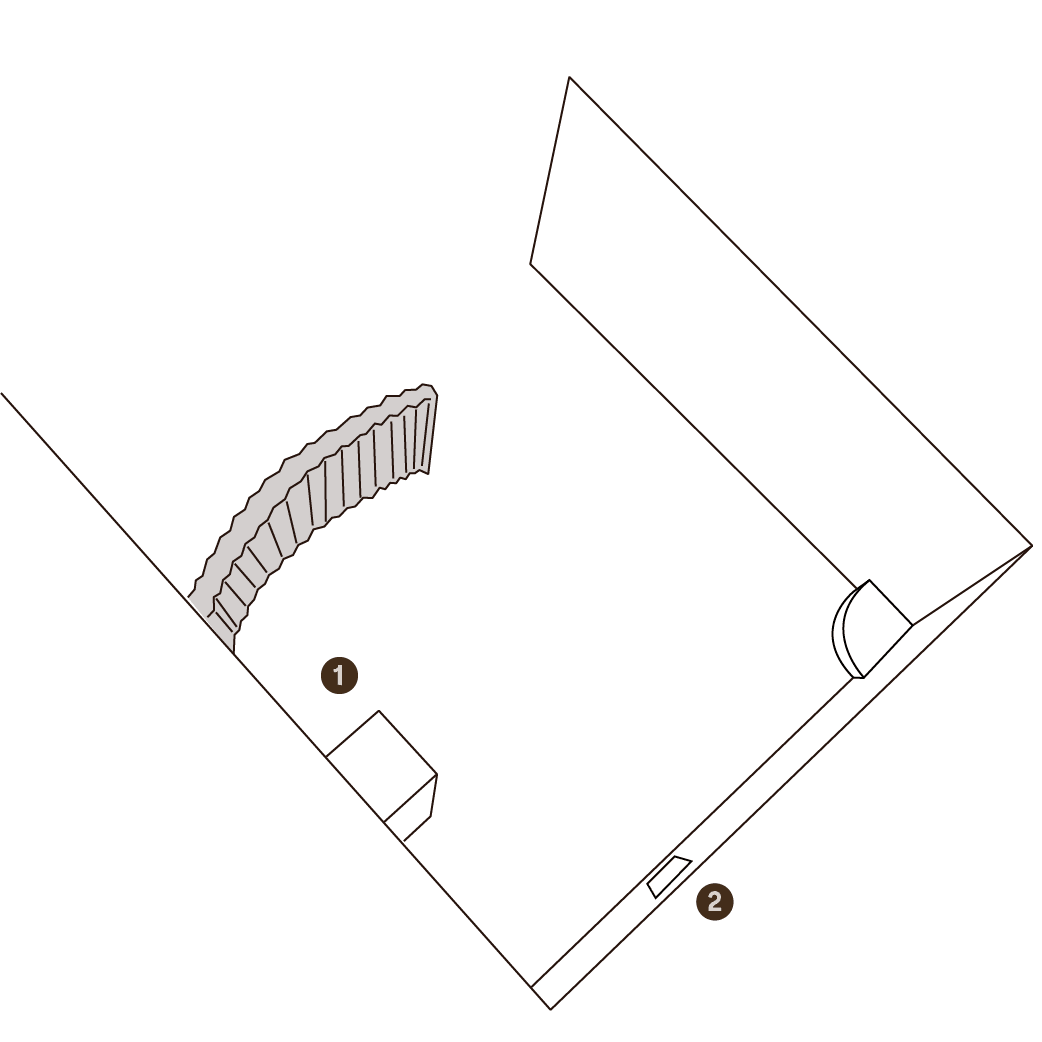
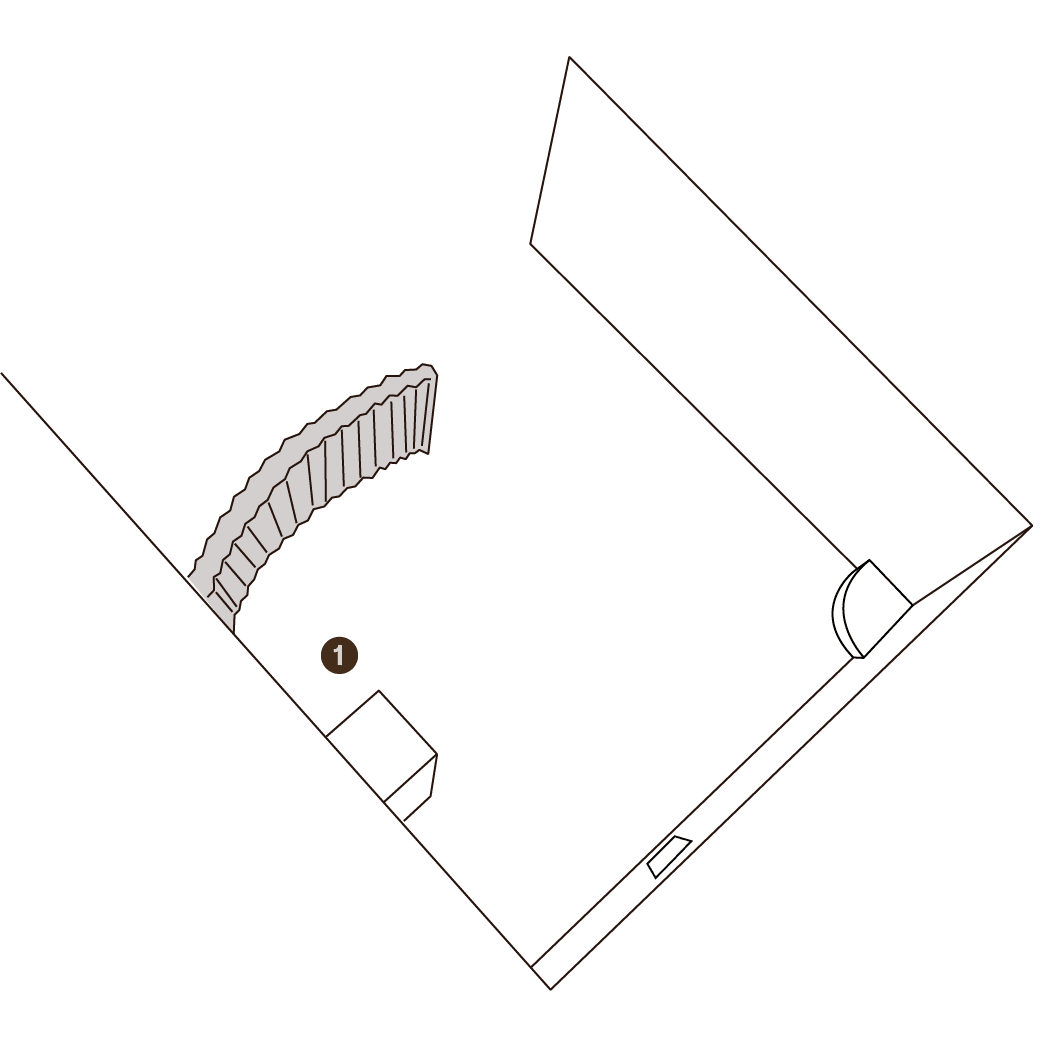
Photobuddha. When you just go inside the room, the Buddha is, like, always like watching us, like, such a Buddha face. Maybe he likes watching the world and the people, maybe, you know, through all those thoughts. Maybe he likes watching TV, maybe. We are his TV.
It's an installation of Nam June Paik, asking about the technology and religion. It's funny that, when you see the Buddha is looking at the TV, like we are looking at our phones every day. And the television shows the current image of the Buddha, and, once you get close to it, you could take a photo with the Buddha.
Like a photo booth. We have a lot of photo booths in Korea. Like, it's just our, like, daily routine when we hang out with a friend. This is like a really intimate piece, so when you just look at the TV and you just can't help but just like taking a photo. It's fun.
I, I go to the temple at least like three times a year, and it makes me really grounded. It helps me. I, I don't have a specific, uh, religion, but Buddha is a human. He's a human that just had enlightenment through his whole lives, and he also had a kid and a, and a wife. He had experienced the marriage. I just loved the story of how he lived as a human, getting out of his home.
And this small drawing of – this is actually a drawing of TV Buddha. It was really funny that SFMOMA had this kind of drawing and I had the piece, the actual piece of TV Buddha. So we just combined it together. A beautiful collaboration. I think it's a good art piece because we could think about a lot. We could think about religion. We could think about technology. We could think about, communication or, like, stories, when we are, like, looking at our faces, beside the Buddha. I just hope that people could make a, like, a memory. Just take a selfie beside Buddha, and let's think about what it means.
저는 이제 종교는 없는데. 불교의 교리를 좀 좋아해요. 그리고 이제 부처님이 깨달음을 얻은 인간이고, 고타마 싯다르타는. 뭔가 되게 엄숙하고 오래된 종교랑 과학 기술이 교차하는 지점, 또 거기서 생기는 뭐 약간의 유머나 좀 재밌는 포인트. 뭐 그런 것들을, 이 제가 와닿아서, 이 존을 또 프렌드스케이프처럼 포토 붓다라고 약간 비틀어서 만들게 됐고.
이제 백남준의 TV 붓다. 아마 작품 제목이 ‘TV 붓다’는 아닐 거예요. 이 시리즈는 기존의 TV 붓다랑은 조금 다르게 작고 귀엽고 친밀하게 되어 있어서.
되게 인간이 가깝게 삭- 보이는 작은 미니어처 같은 작품이어서. 부처님이랑 같이 인생네컷을 찍을 수 있는 그런 재미있는 존이라고 생각을 했어요. 그래서 이 작품을 처음 봤을 때부터 이제 전시에 바로 쓸 거라는 생각을 하면서 샀어요, 이 작품을.
이제 부처님이 이런저런 일을 겪으면서, 그런 여정들을 이제 따라가면서, 말씀들 이런 거를 보면서. 위로도 많이 받고. 뭐 1년에 템플 스테이 같은 것도 몇 번 가고 뭐 그러는데. 전 너무 도시 사람이고, 도시에서 자랐고, 도시의 도파민에 너무 절여져 있는 사람인데. 서울에서 벗어나면 힘들어하는 그런 사람인데. 아트를 보면서 제가 반성을 하듯이 약간의 이제 강제적으로 격리를 시키는 거죠, 도시의 소음으로부터. 그래서 템플에 가서 일부러 핸드폰도 좀 안 쓰고 하면서 디톡스를 하려고 노력하는 거죠.
뭐 여러 가지 주제들에 대해서, 가끔 저도 현생이 너무 피곤하면 너무 무거워요, 사실 그런 주제들이. 근데 그런 것들을 되게 유머러스하게 혹은 조금 친절하게 가까이서 풀어주시는 분들을 보면, 뭐 혹은 본인의 아픔인데도 그거를 불구하고 그거를 좀 이제 승화시킨다든지 그런 분들을 보면 되게 경외심이 들죠. 그래서 유머랑 경외심은 사실 되게 가까이 있습니다. 그러니까 되게 인간이 구사할 수 있는 궁극의 언어 중에 하나지 않을까 생각해요. 그래서 뭐 절대 대형 기관에서 하지 않을 법한 짓을 하고 싶었습니다.
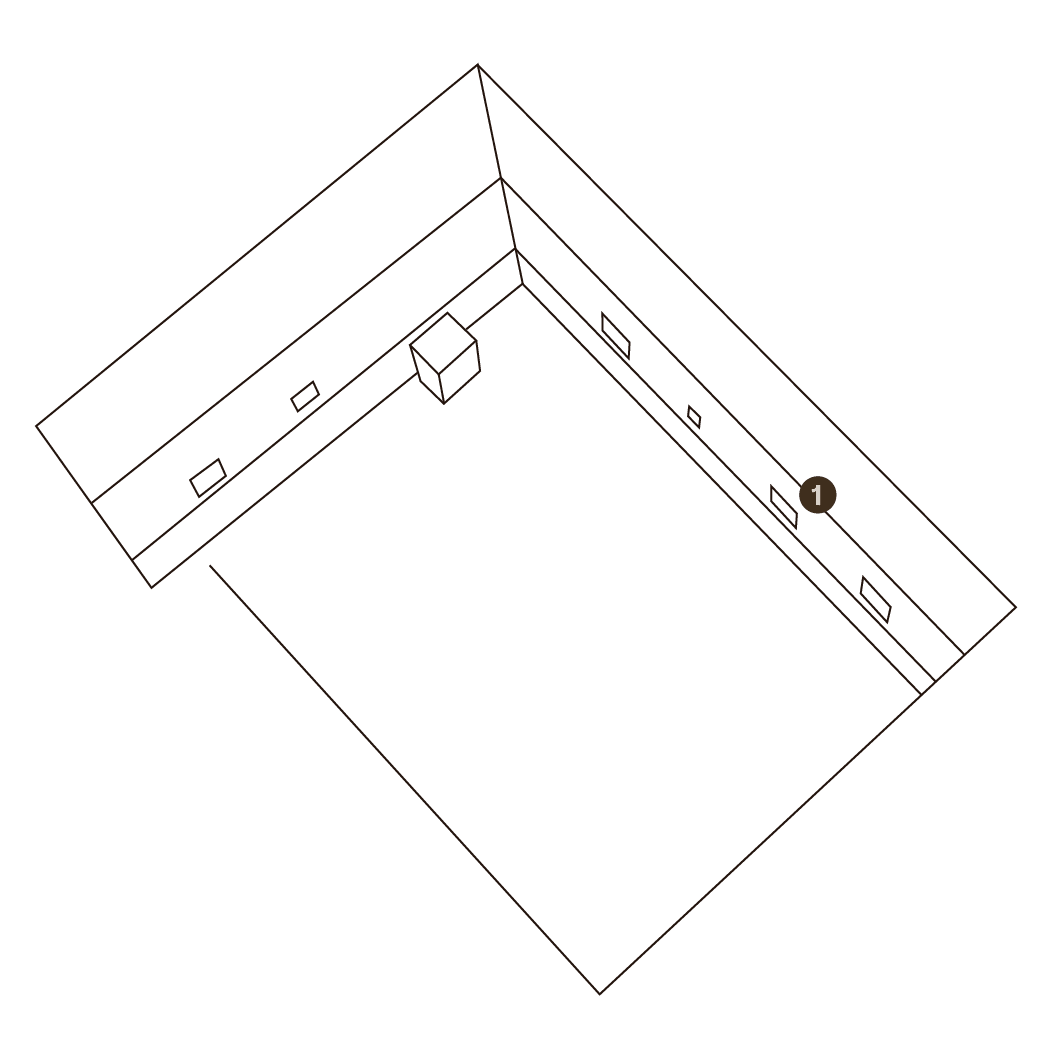
Um, people. Isn't it funny that people paint people? When I go to, specifically, like a retrospective of a single artist, what always catches me for the longest is the self-portrait of an artist. You know, it could tell a lot. Like, like Rembrandt, when he was really young; when he was in his middle age; when he painted it again when he was really old. We could just take a glance at his life.
I've never painted once, so I just always wonder, like, what do the artists think when they paint the people? We sometimes forget, especially when we get overwhelmed by the aura of a name like Picasso or Matisse, they are just people and humans, and there are people behind the frame. I always try to remind myself that art is always done by the people. And I just want to install a lot of different, even photographs, of different human kinds. Like couples, women, sisters, brothers. Yeah, uh, there are a lot of humans, and we can see how they put their love in this small frame.
This photograph of Han Youngsoo: there are no faces. It's a normal couple, in Seoul, in 1950s. It was right after the Korean War. He captured the moment that there was, of – daily life is going on for normal people. I learned in school, there was, like, so poor and sad and nothing was there, in our, like, 50s and 60s. But there are some people just living their lives. They look just so cool. It teaches me there are a lot of sides that I can't see or get to know. It makes me think of, maybe my parents would look like this when they were dating in their young ages. This was hung up on the wall in my parents' house. I just took it from them. “I need this for the exhibition, so I'm bringing it.” They told me like, “Okay, bring another photograph.” Like sometimes when I take something out of their houses, “Oh, where is, where is that, piece that we loved in our bedroom or our living room?” It's like, “Ah, I just... I liked it more, so I just brought it to my home.” “Like, can you give it back again?”
저는 사람이고, 저도 창작자면서 항상 그 예술의 아우라에 혹은 그 아티스트의 브랜드 아우라에 잘 안 잡아먹히려고 노력하면서 생각하는 게, ‘이 작품 뒤에 사람이 있다’라는 말을, 계속 생각을 해요. 그래서 어차피 아무리 대단한 무슨 몇천억짜리 예술 작품도 그냥 다 한 사람의 손끝에서 나온 거잖아요. 음악도 마찬가지고. 절대 사람 위에 사람이 있을 수 없고, 아무리 대단한 예술 작품도 결국 사람, 한낱 사람이 만든 거다. 대형 뮤지엄에서 볼 수 있는 막 휘황찬란한 멋진 초상들은 제가 소장할 수도 없었고, 소장할 게 아니라고 생각했어요.
왜냐하면 사실 생각해 보세요. 개인이 집에다가 남의 관련 없는 사람 얼굴을 걸어놓는 게 되게 쉽지 않거든요. 그래서 제가 산 인물들은 좀 이랬어요. 좀 뭔가 좀 엇나가 있거나 우리가 정형화된 것들이 아닌 것들을 좀 소장하게 됐는데.
그러면서 또 사람의 얘기를 안 할 수가 없는 거죠. 그래서 이게 보면 작품마다 다 스토리가 있죠. 그리고 이 한영수의 사진에서는, 한국전쟁 직후에 있는 명동 쪽에 있는 쪽에서 찍힌 건데. 그 당시에도 삶이 계속되는 그런 것들을 보면서 저희 부모님도 이런 모습이었을 수도 있었겠다. 뭐 그런 생각도 들고. 결국에 사람은 어떤 작품에 어떤 사람을 보든 다 자기한테 적용시켜서 보게 되거든요. 음악을 들었을 때 뭐 이 노래가 내 노래처럼 들린다, 이것도 마찬가지고. 부모님 집에 제가 걸어놨었는데… 이게 어디 걸려있는지 정확하게 기억이 안 나는데 아무튼 제가 가져왔는데, 부모님이 이제 가끔 찾으세요. "그 작품 어디 갔냐? 그걸 좋아했는데." 몇 작품이 있어요. 되게 부모님이 좋아하시는. 본인들 데이트할 때가 생각이 나서 그러신 건 아닐까요? 근데 어떤 사람들은 이 사진을 보면 그렇게 생각할 수도 있어요. 목이 잘려서 무섭다. 얼굴이 안 보여서 약간 뭔가 좀 비밀스럽다. 이렇게 생각할 수도 있잖아요. 그런 거를 상상하면서 보면 우리가 다양한 생각을 해볼 수 있죠.
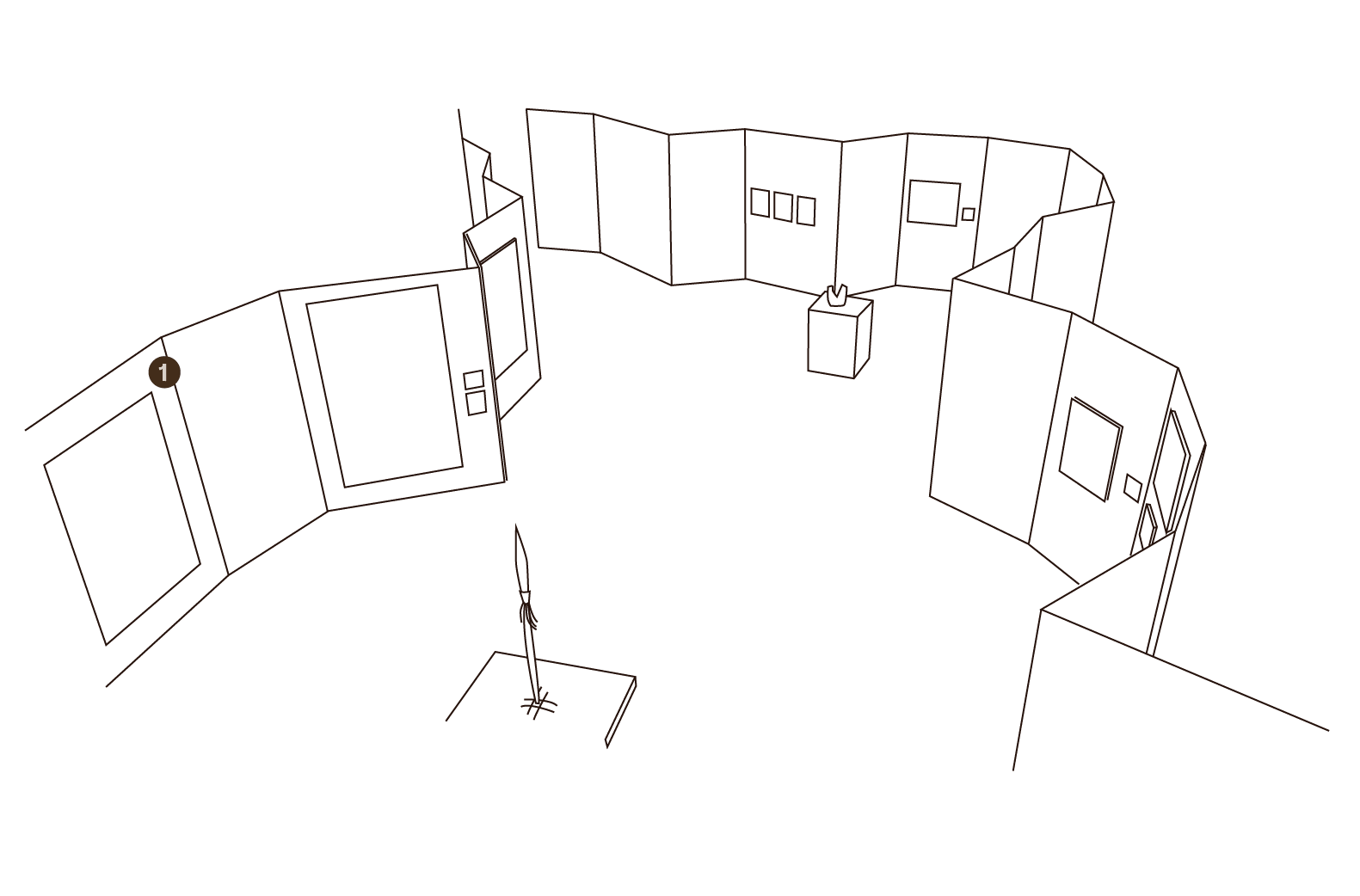
These are the artists that just, really lived their lives. We're living in a time that annoy us so much. There are too many noises, like YouTube, Instagram or I don't know, phones, medias. There are too many things that we could just pay our attention, throw it. When I feel like I'm too lazy or like, “Oh man, what else can I do? Maybe this is, this is the best.” But there are all the artists that I really admire, they just always tell me like, “You could go further and even more. You're not even... You just don't have the rights to be even suffering.
Imagine our time.”
Especially this painting from – it's an abstract painting, of a Park Rehyun. It looks like a ship or like a yacht or... Her husband was also a painter. And he was one of the great, great master of the Korean painting. I really personally like her painting even more. Her husband was deaf, and they had, like, four kids. So she called herself as “three sides translator.” She had to be a mouth and ear for her husband. And she also raised their four kids. She also painted. I, I can't do that. There were no laundry machines or you know. I just can't imagine, like, how she could have done it. And she also completed, such a, like, a wonderful world of her own art. When I see her paintings, it feels like she always teaching me, like, how far a human can go.
I don't know if, if it helped me being a better musician. But it helped me being a better person. When I just look back on their lives and their passion, their wills, their devotion to a single thing, they're telling me there is no free – free lunch. If you want to get to some point or some different world, you should pay your life. The whole life.
열정이랑 고통은 친구죠. 친한 친구죠. 그리고 근데 서로 싫어하기도 하고. 이 섹션은 사실 pain으로 번역해도 그렇게 오역은 아닐 것 같아요. 어... 나름의 인고의 세월을 보낸 작가들이라고 생각해요, 전부 다. 자신의 세계를 누가 뭐라 해도 끝까지 밀고 나가서, 자신만의 왕국을 결국에는 건설한 사람들. 그리고 그게 몇십 년 뒤에 저한테 닿아서, 제가 이제 그 사람들의 신전을 만들어서 보여주게끔 하는, 할 만한 정도의 언어를 완성해 낸 사람들.
박래현 선생님. 제가 국립현대미술관 덕수궁의 회고전을 보고 굉장히...
아직까지도 그 관에서 봤던 가장 좋은 전시 톱 쓰리 안에 드는 것 같은데. ‘삼중 통역자’라는 게 부제였어요. 삼중 통역자 박래현. 왜 삼중 통역자냐. 나는 어머니고 아내고 동시에 화가였고. 근데 아내로서는 청각장애인이었던 김기창 선생님의 통역과 그런 것들을 도맡았고, 집에서는 어머니로서 가사일과 아이들 넷, 다 집안일하면서 키우시면서. 또 남는 시간에 치열하게 본인의 예술 세계를 완성시켰고. 저는 개인적으로 김기창 선생님의 그림보다 박래현 선생님의 그림을 훨씬 더 세련되고 멋있다고 생각하거든요. 정말 초인이셨던 것 같고, 되게 볼 때마다 약간 저를 좀 부끄럽게 만드는, 그런 인생을 사신 분이라고 저는 생각을 합니다.
힘 많이 받죠. 힘 진짜 많이 받고. 그러니까 막 왔다 갔다 해요. 제, 제 인시큐 – 제 인생의 자긍심이 어느 정도 지금 비율이냐에 따라서 힘을 받거나 아니면 되게 채찍질을 당하거나 둘 중 하나인 것 같은데. 힘도 진짜 많이 받죠. 저도 아직 갈 길이 멀었구나. 나도 더 열심히 해야겠구나 하는 힘도 많이 받죠. 그 고통의 역치를 높여주시는 그런 역할을 많이 해주시고. 그냥 뭐 그냥 심플하게 얘기해서, 내 고통은 진짜 별것도 아니다. 너 뭐 진짜 고통 받, 너 고통 받아봤어? 물론 뭐 내 손톱에 박힌 가시가 남의 팔 잘린 것보다 더 아프다고 하잖아요. 근데 그럼에도 불구하고, 고통을 수치화할 수 있다면 제 고통은 사실 별거 아니다. 그런 힘을 많이 주신다고 생각합니다.
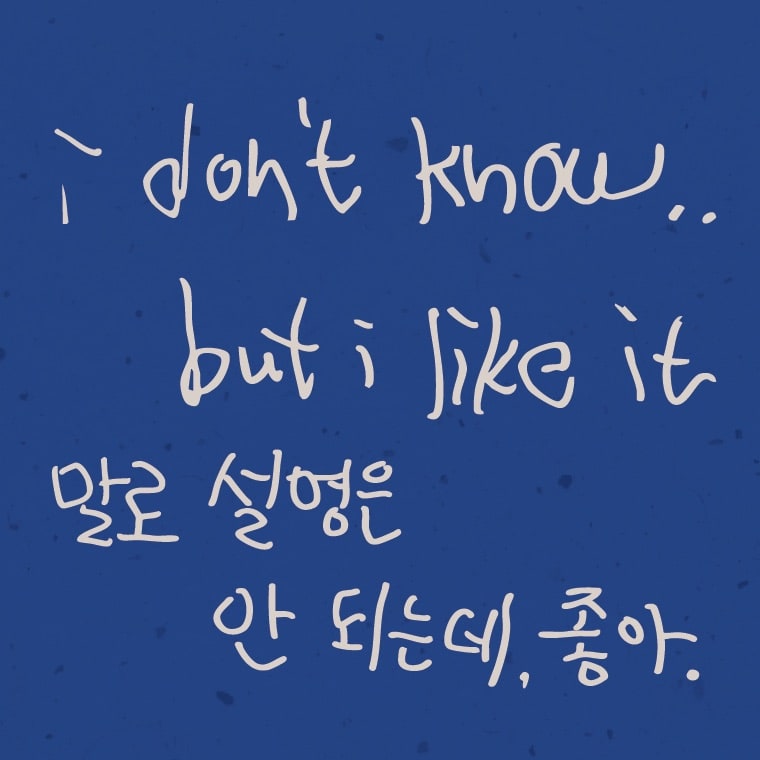
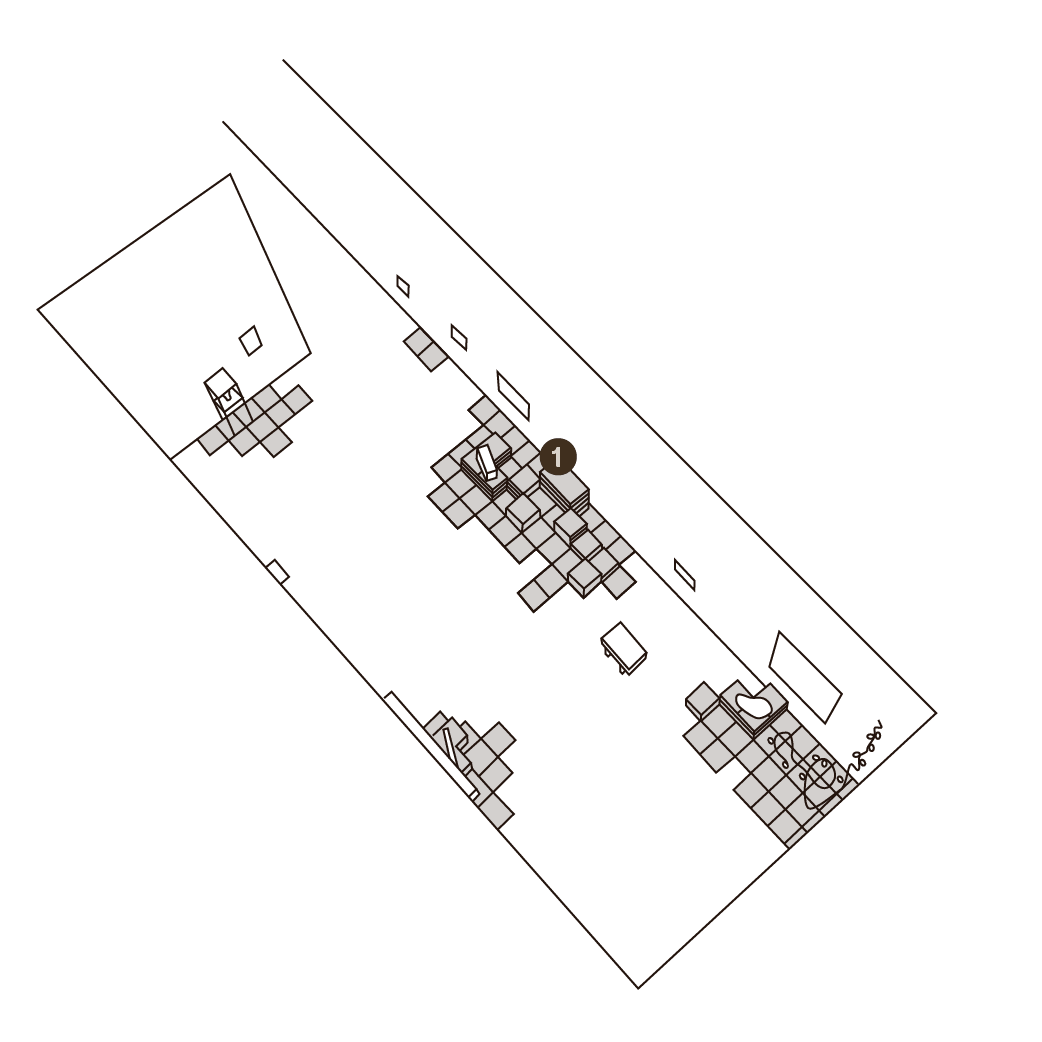
Yeah, this is my, one of my favorite section, just by the title. This is so honest. Sometimes when you like an art or when you introduce your favorite artist to somebody, you feel like – every people feel the pressure: you should explain or you should describe, you should tell all those great, great art histories and criticism and stuff. But no, sometimes this fine art, you just look at it by the eyes. It's visual. Sometimes you just get tempted by their looks. I don't know what's behind it, but I think I like it.
Like, what is this? What is this thing? And these are the pieces, they just called me. Like, “Come here, bring me to your house.” Even more than that, I just love them. That's really honest and transparent. Like, you just like it. You know, why do I like him? Why do I like her? Sometimes at the first time, you know the reasons. Like, ah, like she's really nice. She's so cool. She's so tall. She's so small. But sometimes, at some point, you just forget all those reasons and you just can't explain.
So these ceramic from Yoshitomo Nara. I met him in 2023 right before my military. He came to Korea for the Pace Gallery exhibition. There were these ceramics, and it looks like – this is really hard to explain in English, but simply, it looks like a old Korean ceramic. They're all, white porcelains, but painted with a different materials. Most people love the blue ones, the ultramarines on white porcelains. But I prefer these cheaper, black, like iron-painted one. And for me, it looks like the old Korean porcelain, just painted by Nara. When I look at the piece, it reminds me of the day that I met Nara-san in Seoul. It was summer. It was not that hot. I met him, and he was so cool and kind. But usually, you know, when you go to a gallery opening, they always get these champagnes and nice wines and stuff. But Nara hates it, so he brought some makgeolli. It's like rice drinks. And he drinks it in a paper cup. I just love that. All those stories combined together and it just feels like: bring me to your home.
말로는 – 그러니까 말로 다 못하겠는데, 그냥 좋아. 그러니까 한번 볼래? 뭐 이런 거예요, 그냥. 왜냐하면 이제 친구들에게든, 혹은 업에 계신 분들이건, 가끔 인터뷰를 하건, 이 작품이 왜 중요한지 혹은 왜 샀는지, 왜 좋아하는지를 요구받게 되는 경우가 많아요. 뭔가 미술사적인 것부터 시작해서 풀어야 될 것 같은 압박을 받거든요. 어쩌다 보니까 저도 이제 전시까지 하게 되니까, 저도 비평을 많이 읽고. 그 되게 비평이나 그런 그 글의 어떤 그런 시각의 중요성을 되게 아는 사람이라서.
저도 이제 그 물결에 동참해야 되나, 하는 생각이 많이 드는데. 사실 저는 그냥 개인적인 애호가일 뿐이거든요. 그리고 그런 사람들의 역할도 분명히 있어야 된다고 생각을 하고. 애호가치고는 좀 진지하긴 해요. 근데 그래봤자 애호가다. 그래서 여기 있는 작품들 뭐 설명하라 그러면 뭐 할 수는 있는데. 그냥 그런 것보다는 그냥, 이게 사실 어느 카테고리에 좀 분류하기가 좀 껄쩍지근한 부분이 있어요. 그래서 그냥 이게 죽- 늘어놓은 다음에 되게 놀이터처럼 죽- 늘어놓고 그냥 느껴라. 사랑은 때로는 비언어적으로 느껴지는 것이 훨씬 센, 훨씬 강할, 강한 게 올 때가 있다. 함 봐라.
요시토모 나라의 철화 백자라고, 그냥 전 철화 백자라고 불러요. 근데 제가 이제 조선 도자기들도 좋아하는데 백자 중에 이제 철화라고 해서, 조금 싸고. 이제 이런 건 궁중이나 귀족들이 잘 안 썼어요. 울트라마린이라고 하죠. 울트라마린이 훨씬 비쌌거든요, 그때가. 요시토모 나라가 처음에 페-페이스 갤러리에 한국에 전시를 해서, 삼 년 전에 전시를 하러 왔을 때, 이 세라믹들이 있었는데 그때 기억이 너무 좋았고. 그리고 이걸 처음 봤을 때 제가 좋아하는 철화 백자 같다는 생각이 들었어요. 그래서 마음에 들었습니다. 근데 옆에는 막 “We are outlaws” 막 우리는 무법자다. 뭐 이런 거 써 있고. 되게 웃긴 시리즈다, 이 백자는. 그래서 집에다가 옆에, 진짜 철화 백자 옆에다 갖다 놓으니까 되게 웃기더라고요.
그래서 이제 나라상이 오셔서 자기는 오프닝에서 막 옷도 무슨 엄청 되게 오래된 옷 이런 거 입고 오셔서, 청바지 같은 거에다가. 종이컵에다가 그냥 막걸리를 확 따라가지고 그냥 했는데 굉장히 신선했어요. 왜냐하면 그런 거 좋아해요, 저도 막 이렇게. 그 갤러리에서 나라상은 이런 걸 안 좋아하니 종이컵에 막걸리를 따라야겠다 해서 하나씩 나눠주는 게 신선했던 거죠. 되게 유머러스하고. 아, 이 사람도 참 소탈한 면이 있으시구나. 그러면서 작품이 더 좋아지는. 이 작품을 보면은 그때 막걸리를 따라서 마시던 게 생각이 나요. 옛날엔 진짜 철화백자에다가 술 같은 거 넣어서 보관하고 이랬을 거거든요, 장 같은 거. 그런 개인적인 스토리랑 또 샀던 작품들이 연결이 되면서, 이 작품의 저만 알고 있는 그런 이야기들이 생기면서, 또 애정이 생기는 거죠.
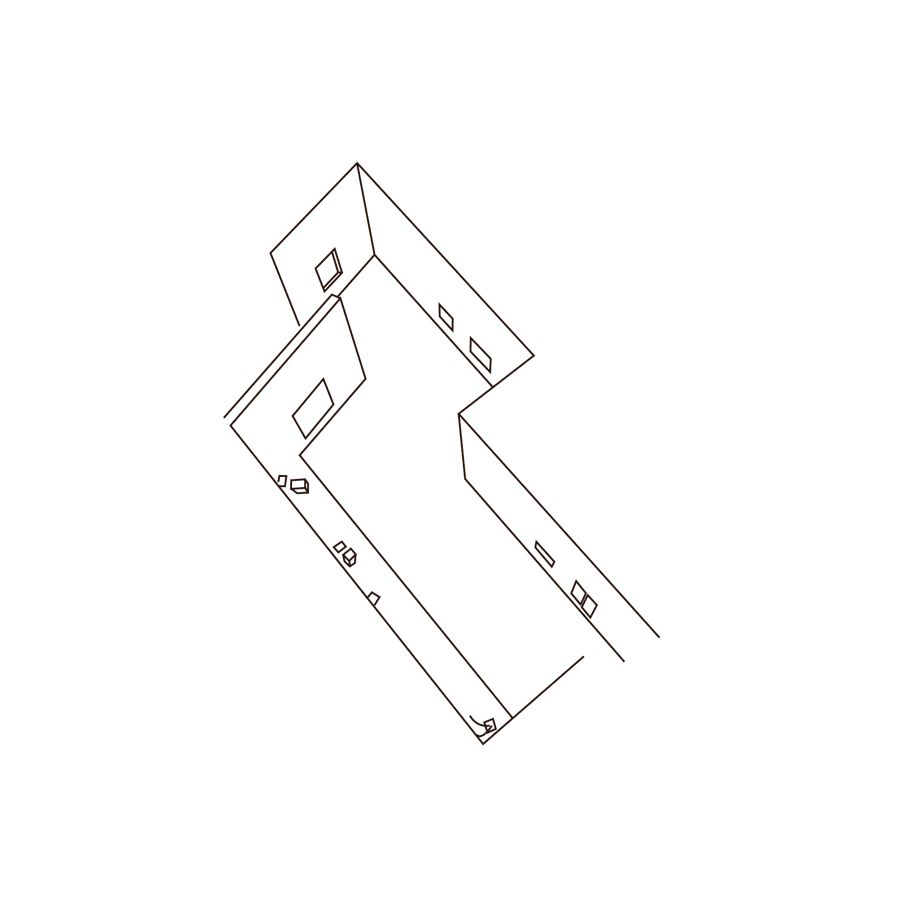
Yun – why he's so special? Everyone wants me to explain, but I can't. Because I love him so much. I even made a album cover of my own with his painting, and I think by his paintings, by his lives, by his personality, how he lived as an artist, as a father, as a human, he's like a teacher.
One of my friend really loved, uh, admired his art and was always, always told me like, “You should see his exhibition.” He had his big retrospective in the Korean MMCA, which is like Museum of Modern and Contemporary Art. And I missed it because I didn't know his existence that very well at that time.
But I heard they're having a tour in Venice Biennale for like a satellite exhibition. So I literally flew to Venice just to see the exhibition, not the Biennale. They held this exhibition in a old atelier of an Italian artist. It was called Palazzo Fortuny. It was summer in 2019. And I was literally shocked because the whole building, it looks like it was built to show his paintings. When I just first got into it, a young girl was getting out to the exit, crying. So I was like, "Why is she crying?" And then once I got into it, I just understood it. I didn't cry, but it was a sublime experience. That was the point I started to really admire the Korean artists.
And when I look at the Korean modernists, right after the Korean War period, I just can't imagine the times, and I feel really ashamed of myself. I don't worry about like, the tomorrow just to get by. We were one of the poorest country, and we been through, like, the domination from Japan and the colonization. And after that, then we had to get through the Korean War, and we were divided by two, like many people know. Yun, he been through all those things. He didn't express his anger to the outside, you know, the society or his family. He just did it on the canvas, beautifully. I could see the rage, but really rage and grace at the same time in his paintings.
Especially in his early paintings, he did it like a lot of times: brushed it again and again because he was so angry and sad. I think he didn't know how to, like, resolve it. Actually, when you get to know it, then there, you can see a lot of stories, by each strokes. It looks like it's crying sometimes. ‘Beonjim,’ the pourings. It looks like a Western painting, but it also looks like a calligraphy. It's an abstract, but you could see like a mountain or like a tombstone. It feels very universal and personal at the same time to me.
윤형근이라는 한 사람에 대한 헌사 섹션이기 때문에. 한글로 하면 훨씬 더 정제해서 얘기할 수 있을 것 같긴 하네요. 한국 근현대사를 상징하는 사람 중에 하나라고 생각하고. 지금보다 훨씬 더 재평가받아야 되는 사람이라고 생각하고.
2019년 9월이에요. 이제 국립현대미술관 전시를 제가 놓쳐서 베니스 비엔날레에 오직 이분의 전시를 보러 갔었고. 300년 된 아틀리에 건물에서 이분의 그림을 봤을 때, 그 당시의 경험이 제 어떤 시각적, 미학적인 것들을 많이 규정을 해버렸어요. 그 당시에 봤던 그 광경들이. 엄청 강렬했죠.
엄청 강렬했어요. 전 잘 몰랐어요. 윤형근 선생님이 어떤 분인지. 근데 딱 봤는데, 오래된 성당에 가면 느끼듯이, 어떤 약간 종교적인 그런 그 압도하는 – 근데 그 압도가 사람을 억제는 압도가 아니라, 되게 스스로를 되게 부끄럽게 만들면서 날 돌아보게 하는 그런. 그 강한, 강한데 사람을 부수지 않는 정도의 그 아우라가 있었어요. 그래서 약간의 스탕달 신드롬 같은 거를 겪었고. 어 막 울면서 뛰쳐나오는 사람도 봤어요. 그래서 이제 그 당시가 되게 약간 영화를 실제로 체험한 것처럼 좀 생생한데.
가장 개인적으로 그림을 그렸지만, 가장 보편적인 무언가를 만들어낸 사람이라고 생각을 하고. 뭐, 너무 많은 거를 설명해야 돼서 사실 잘 모르겠지만. 어쨌든 가장 고생을 하신 분 중에 한 분이에요. 서너 번을 투옥되시고. 몇 번의 죽을 위기를, 총을 앞에 겨눈 상태에서 도망친 경험부터 해서. 너무 많은 한국의 어떤 모순과 그런 안 좋은 점들을 다 목도하시면서도, 정직하게 자기 그림을 그리신 분이에요. 되게 마지막에 말년에 가서, 되게 극도로 단순화되는 모습을 보여주시는데. 그것까지도 되게 아름답습니다.
여러 고초를 겪고 나서 그 울분과 화를 사회나 가족한테 내지 않고 오로지 캔버스에 그림을, 물감을 다 섞어서 토해내듯이 그린 거예요. 자기 인생을 그렸어요, 이 사람은 그냥. 너무 많은 것을 여기서, 이제 이 사람의 인생을 비추어 봤을 때 느낄 수가 있어요.
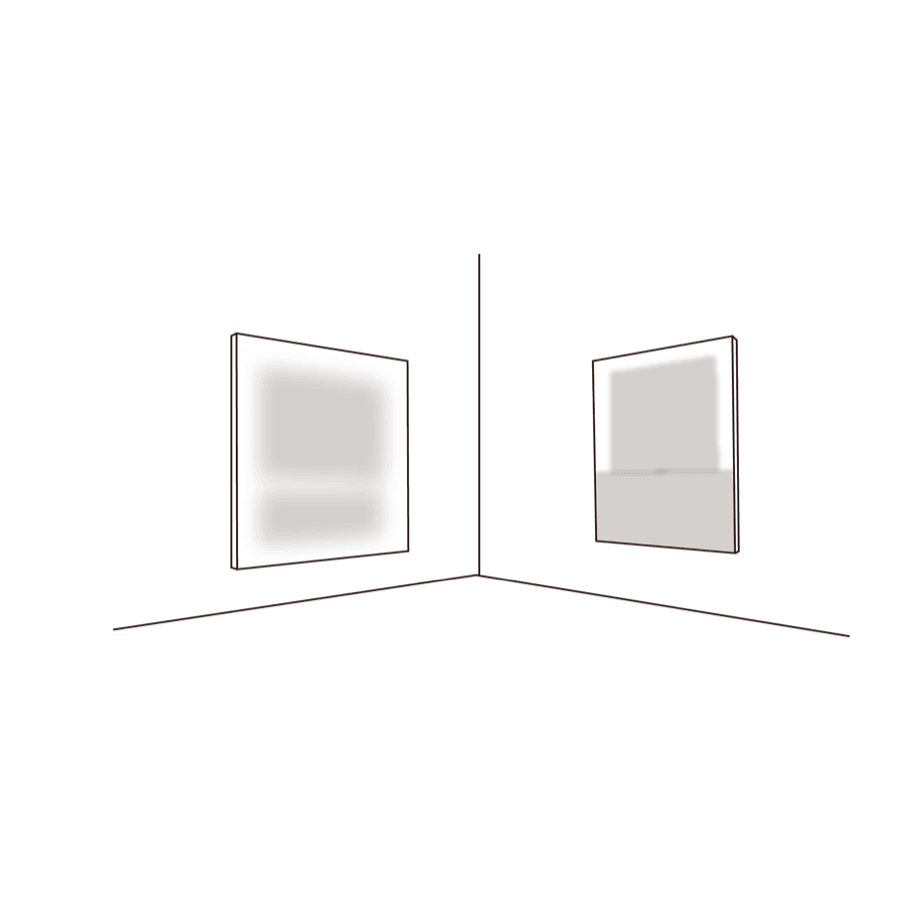
We started from a painting of Kim Whanki, and he was the father-in-law and also the art teacher of Yun. And his friends – like Choi Jong-tae or, or Donald Judd, most importantly, like Rothko, I think Yun, he definitely seen his painting. Once his father-in-law, Kim Whanki, passed away, he had to fly to New York and arrange all the stuff. And I think he, at that time, he must have seen paintings of the abstraction expressionists like Rothko or Guston, of course Pollock. But his painting was different because he lived a different life.
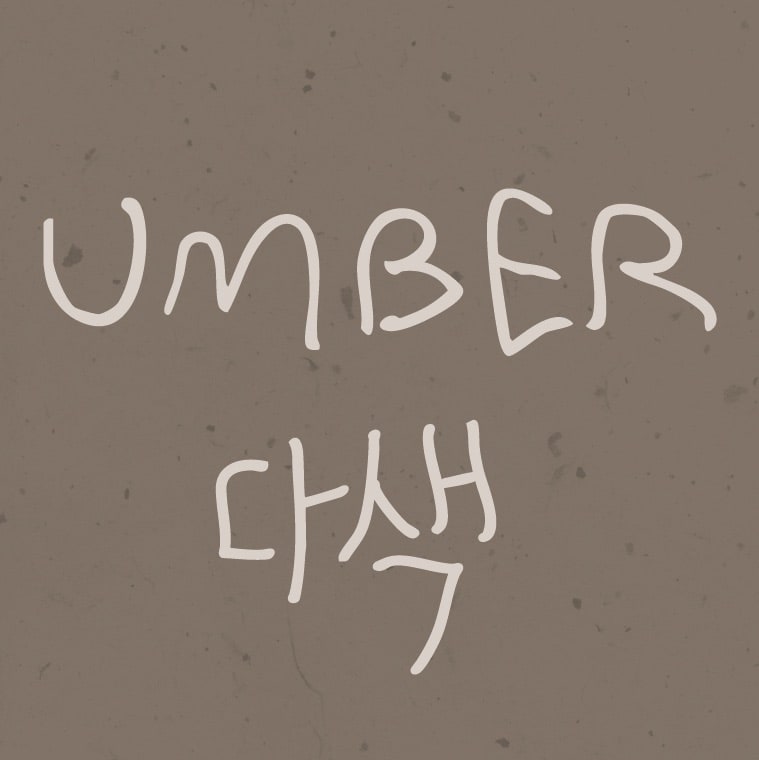
For the room in the last, I just wanted to place them together and see how they talk to each other. Korean and American. RM and SFMOMA. That's why the subtitle of this exhibition is called, “Between You and Me." I was thinking of candidates like "Meet Me Halfway" or like, ‘sai,’ which means ‘between’ in Korea. So that's why I started from Kim Whanki and finished the exhibition with Yun's painting. Kim Whanki starts with blue, like sky and water, but his son-in-law, Yun, completed it with the earth. So it's like sky and earth, blue and umber.
When I, when I have to speak about Yun, I always lose my words. I'm a man of words. I'm a, I'm a hostage of the words, because I started, like, writing things. I really wanted to be an author when I was young, but I moved on to music because I thought the rap was really standing for like, rhythm and poetry, but which was not true. I feel like there is something that can't be told by words. And that's why I feel really hard to just explain, when I got the questions of his world.
I love languages, and it will always be my love. But it is so different. They are so different. Uh, they have their own textures and frequencies. This exhibition is a trial just to combine them together. We think we are understanding each other, uh, more and more, but are we? Uh, we have to think about it. Maybe we're just thinking that we are getting closer and closer. There are many ways and many bridges to understand another world, and I hope these two languages or these different artists could help people think about understanding different sides and the world you, uh, never known.
You have to rise to lose words. And be free. As more as I explaining, I get confused even more. This exhibition is, is a total confusion of mine. I'm 31. I'm still young. I don't know a thing about life. I'm just figuring it out. You could just feel the confusion and the trials of my head. That's all. I always ask myself: am I being such a boring, professional musician? Just flowing and floating by the flow, because, okay, there are schedules, I'm doing it. Okay, it's – I think it's the time you have to release your album. It's been a while, so okay, then I'm making an album. I don't wanna do that. Like, I think I just wanted to get some help from these great people. And I think it helps me a lot.
저드가 한국에 왔을 때 한 번에 알아봤죠. 오히려 저드는 소위 미니멀리즘의 대가였지만. 가장 미니멀하지 않은 역사를 살아오고. 너무 많은 것, 색깔을 섞어서 한 번에 토해냈던 사람. 어떻게 보면 되게 상극이었는데 한 번에 통한 거죠, 그냥. 그래서 그것이 저는 우연이 아니라고 생각하고요.
김환기가 꿈꿨던, 뉴욕에 가서 꿈꿨던 어떤 한국적인 것의 세계화. 혹은 개인적인 것의 보편화를 김환기가 시작을 했다면. 그걸 보고 자라고, 실제로 사위였던 사람이, 장인이 시작한 꿈을 사위가 완성을 했다고 생각해요.
그리고 이 둘의 그림이 하늘과 땅, 블루와 엄버, 그런 대비를 이루는 것도 절대 우연이 아니라고 생각을 하고. 그 둘이 있기 때문에 한국 회화사에 어떤 아름다운 모더니즘이 완성이 된다고 생각을 합니다. 그래서 김환기에서 시작해서 윤형근으로 끝나는 여정을, 저는 이제 그런 제 개인적인 감동이 거기에 가장 많이 있기 때문에. 이 전시를 시작하면서 처음부터 시작과 끝을 정해놨습니다.
김환기, 그리고 윤형근, 그 두 분과 그 두 분을 물심양면 서포트 해주셨던 부인분들, 가족들. 그분들의 그 치열한 그 당시의 역사가 결국에 지금 샌프란시스코 서부에서 가장 큰 미술관 중에 – 미국의, 그렇게 가고 싶었던 미국의, 그 중심에 이제 저라는 그냥 다리를 통해서 닿게 된 거죠. 70년 만에 결국. 근데 그런 지점이 참 이 전시의 특별한 점인 것 같아요. 다시 반복되기 쉽지 않은. 그래서 전시를 만들다가 보니까 우연이 모여서 필연이 된 것 같은, 제가 SFMOMA한테 제안을 받은 게 우연은 아니겠구나. 많은 사람들의 우연이 모여서 이런 이상한 전시가 나왔다. 그렇게 봅니다.
이럴 수도 있어요. 미술 좀 아시는 분들은. "이 젊은 놈이, 어? 얘도 돈 좀 벌더니 회화나 조각만 사고. 요새 컨템포러리를 전혀 반영을 못 하고 있다." 어, 이건 제 수동 공격성이 발현된 건데, 방금. 저는 사실, 이때 분들이 훨씬 더 저희한테 지금 해줄 수 있는 얘기가 많다고 느껴요. 그냥 이분들을 보면서 항상 되게 부끄러운 것들이 많고. 작가 정신이라든지. 그냥 그 어려운 시기에 인간으로서 어떻게 버티는지에 대한 것들이 오히려 더 컨템포러리 할 수 있다고 생각을 해서. 지금 치열한, 가장 현재의 담론을 담는 거는 제 몫은 아닌 것 같고. 그래봤자 제 개인적인 기호로 이제 시작된 전시이기 때문에. 제가 봐도 엄청 혼란스럽고 어지러운데, 이게 지금 31살의 저인 것 같아요. 그래서 어쩔 수 없다. 저는 이것도 좋아하고 저것도 좋아하고, 이 사람한테서도 배우고 저 사람한테서도 배운다.
저는 톤도 한국어로 할 때 훨씬 더 또박또박 높아지는 편이고. 영어는 연음이 많으니까 자연스럽게 목소리가 먹어 들어가면서 깔리는데. 한국어로 하면 조금 약간 레고 블록처럼 생겼잖아요, 한글이. 좀 앞으로 소리가 모이면서. 그리고 제가 더 잘 아는 언어니까, 플랫하고 정확하게 말하려는 의지가 조금 더 들어가는 것 같아요. 그러니까 언어의 포로고, 저는 완전히. 언어의 인질이고. 어렸을 때부터 언어로 시작한 사람이고. 음악도 언어로 시작한 사람이라서. 근데 음악이 어떻게 보면 언어가 갖지 않고 있는 것들이 있으니까, 음악이 더 멋있게 느껴졌나 봐요. 언어는 익숙하니까. 그 당시에, 어렸을 때, 음악을 시작했을 때. 근데 미술은 또 다르게 다가왔던 거고, 비언어적인 게. 그 미술이 주는 그 비언어적인 것들이 저한테는 여전히 저를 자유롭게 해주고, 좀 차분하게 만들어주는 부분이 있고요. 그래서 앞으로도 예술을 사랑, 미술을 사랑할 것 같아요.
그래서 제가 막 너무 제 개인적인 머리 아픈 얘기들을 많이 했는데. 그냥 저도요. 좋아서 한 거고요. 그냥 하고 싶어서 한 거고 재밌을 것 같아서 한 겁니다. 네. 그리고 제가 이분들한테 빚을 많이 졌기 때문에 이분들한테 빚을 갚고 싶어서 시작했습니다. 진짜 봐주셔서 감사하고. 그냥 재밌게 아, 뭐 얜 이런 걸 다 했네. 참 별걸 다 했네. 뭐 이렇게 봐주시면 좋을 것 같아요.

My name is América Castillo and I'm one of the co-curators of RM SFMOMA: Between You and Me. We hope you're enjoying your time here at SFMOMA. This audio tour was narrated by RM and produced by Haeryun Kang with support from Fengxue Zhang. The project was made possible through partnership with Big Hit Music, HYBE, and HYBE INSIGHT, and major support from Samsung Electronics. Thank you for listening.
저는 <RM SFMOMA: 너와 나 사이> 전시의 공동 큐레이터인 김효은입니다. SFMOMA에서 즐거운 시간을 보내고 계시길 바랍니다. 이 오디오 투어는 RM, 김남준이 나레이션을 맡았고, 강혜련 프로듀서가 제작했으며, Zhang Fengxue가 제작을 지원했습니다. 이 프로젝트는 빅히트 뮤직, 하이브, 하이브 인사이트와의 파트너십과 삼성전자의 주요 후원으로 완성되었습니다. 함께해 주셔서 감사합니다.