写真家
北島敬三
日本
長野県須坂市出身
所蔵品 北島敬三
-
Keizo Kitajima
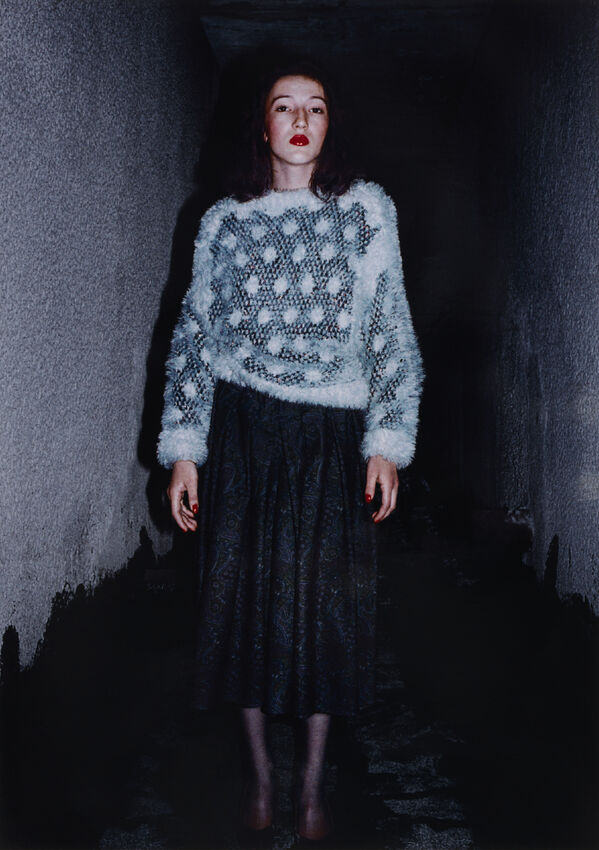
3/6/1991 Vladivostok, Russian SFSR. Indira, 17 years old. Originally born in Osetiya, she moved to Vladivostok when she was three., from the series 1991 USSR
1991, printed 2001 -
Keizo Kitajima
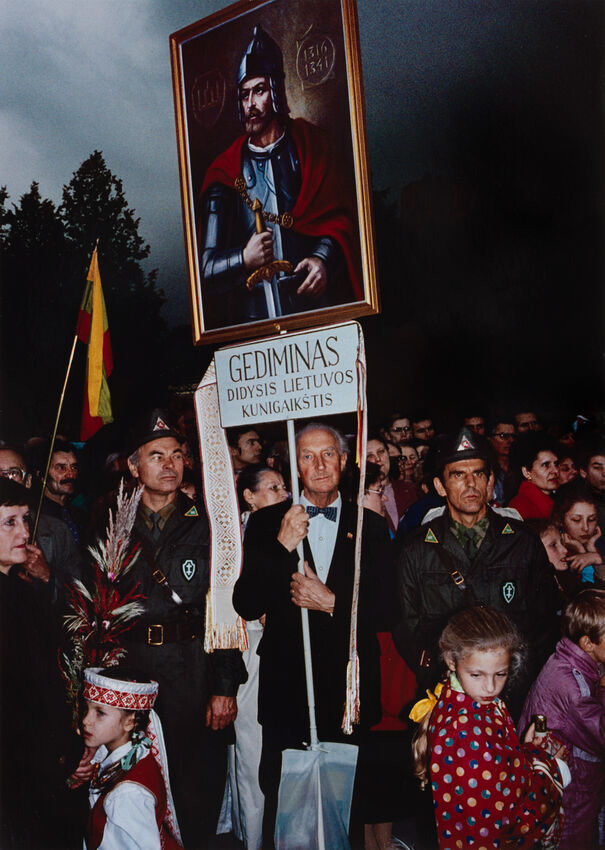
1/10/1991 Vilnius, Republic of Lithuania. A festival to commemorate the 650th anniversary of the death of Grand Duke Gediminas., from the series 1991 USSR
1991, printed 2001 -
Keizo Kitajima
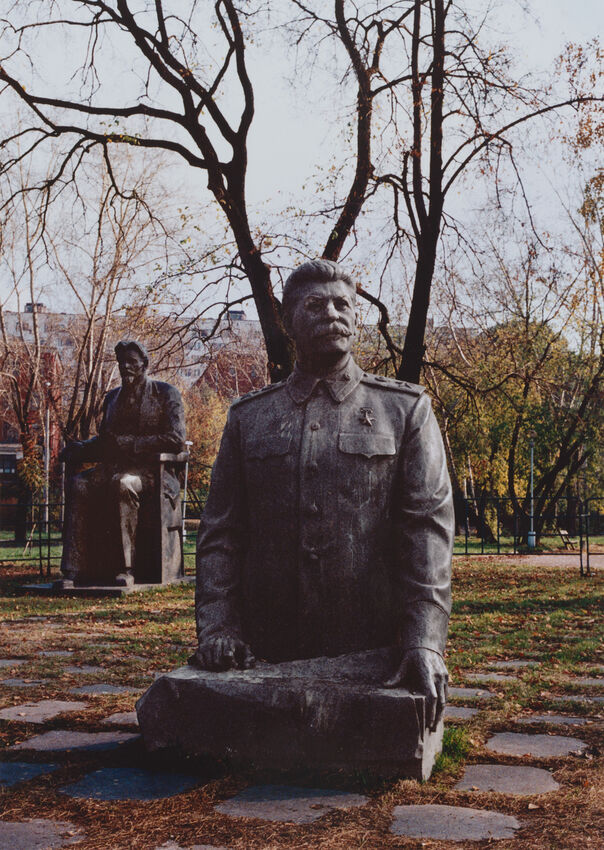
12/10/1991 Moscow, Russian SFSR. A statue of Stalin being removed from its plinth. Many statues that symbolized the Soviet era were destroyed this year.
1991, printed 2001 -
Keizo Kitajima
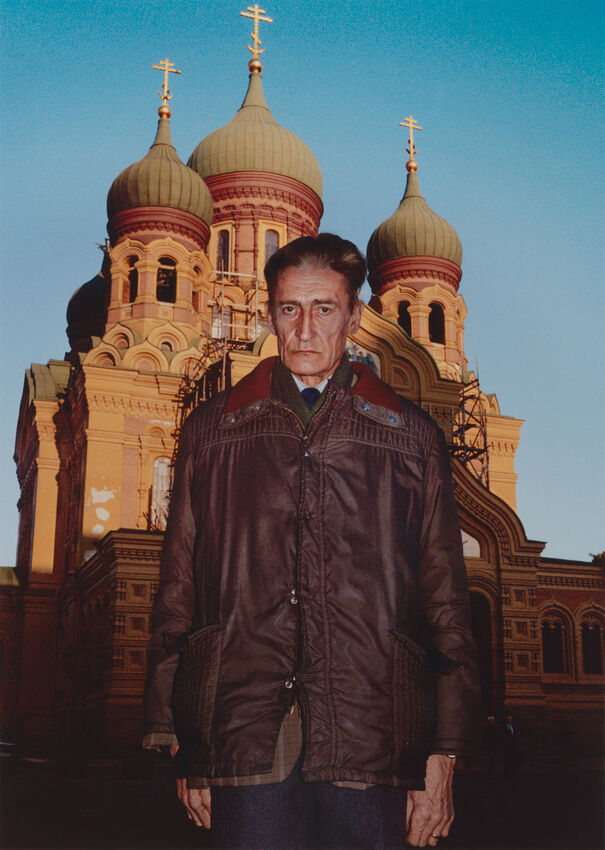
7/10/1991 Tallinn, Republic of Estonia. Enn Sepp, 60 years old, a member of the Estonian National Independence Party. The KGB exiled him to a Far Eastern concentration camp located in the Arctic Circle.
1991, printed 2001 -
Keizo Kitajima
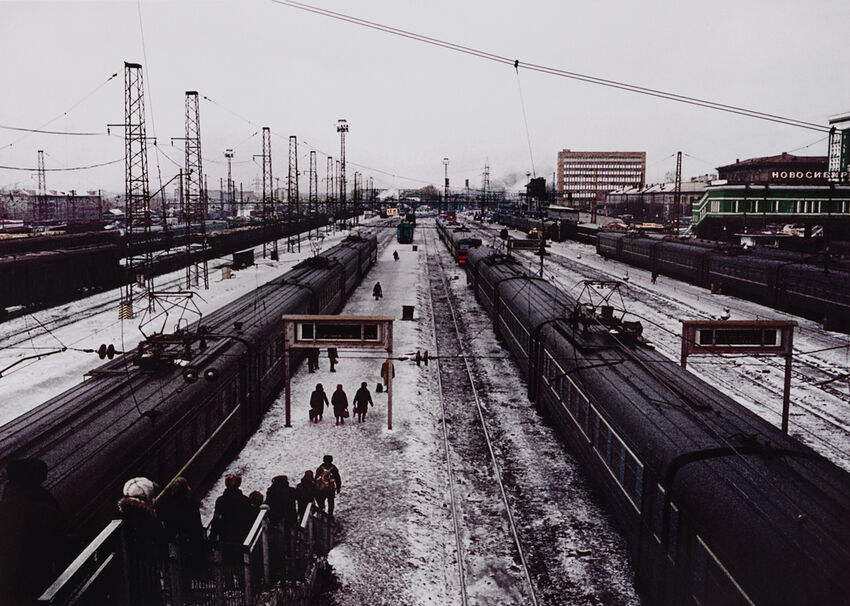
14/3/1991 Novosibirsk, Russian SFSR. Trains rest at Novosibirsk station in western Siberia. When the railway in Siberia was constructed, Novosibirsk was then at the intersection of two great transportation routes- the rivers and railways. The city......
1991, printed 2001 -
Keizo Kitajima
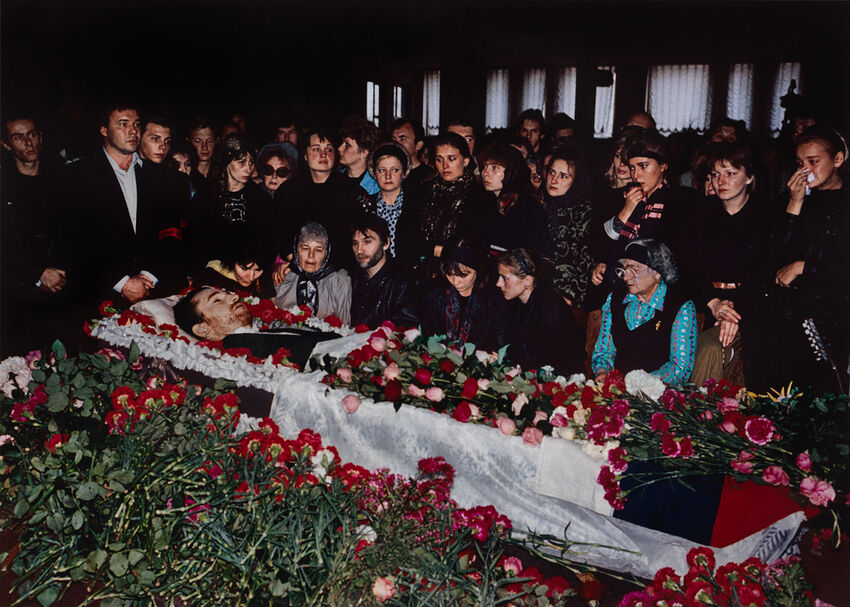
9/10/1991 Moscow, Russian SFSR. Funeral of rock singer Igor Talkov. During a concert, he was shot to death by a gunman connected to the Mafia. He was a devoted Russian Orthodox Christian and is said to have been a member of the Pamyat...
1991, printed 2001 -
Keizo Kitajima
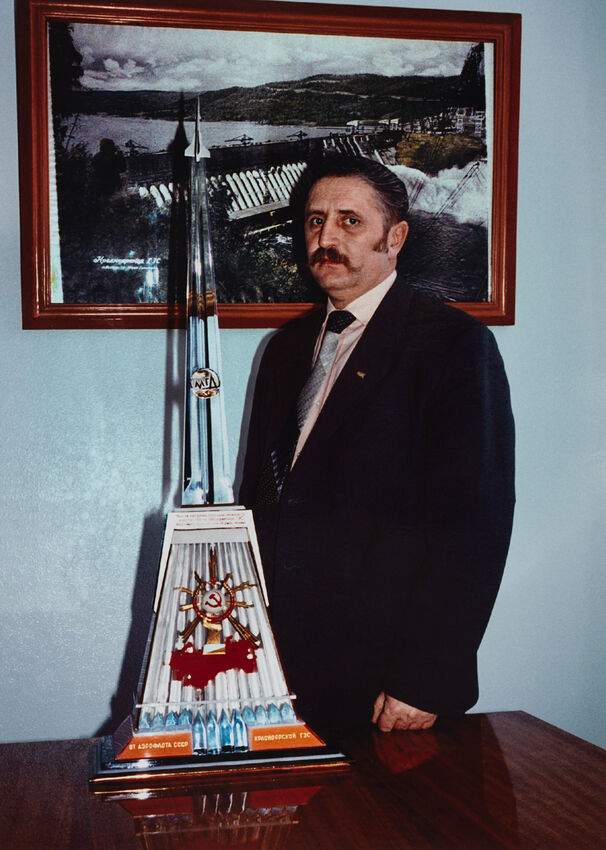
19/3/1991 Krasnoyarsk, Russian SFSR. Andrey Samolenko, 43 years old, the security chief of the Krasnoyarsk hydroelectric-power plant.The Krasnoyarsk plant began operations in 1967, on the fiftieth anniversary of the Russian Revolution. At the time, it...
1991, printed 2001
エッセイとアーティストトーク
-
遠くて近い関係ー1970年代にアメリカで開催された日本の写真展
2022年 2月
アメリカと日本の写真の歴史をふり返ってみると、1950年代の終わりから60年代初頭は驚くほど実り多き変遷期だったことがわかる。この時期以前にも日本には写真の歴史は古く存在したが、第二次世界大戦後のアメリカとの関係が写真という媒体を日本特有に、かつ幅広く再考させるきっかけとなった。それは古典的な報道写真や戦前の耽美主義への反動により、より個人的で表現豊かな写真が支持されたと言ってもいい。1970年代にアメリカで開催された重要な写真展はこの移り変わりに注目し、日本写真の新たな潮流に焦点を当てただけではなく、日本の写真家と日本の写真に興味を抱いたアメリカ人との意義深い関係も浮き彫りにした。 1970年代になると、戦後の経済的苦難から完全に回復した日本は、1980年代の「バブル経済」へと繋がる繁栄期を経験していた。豊富な時間と海外旅行に対する制限の解除から、若い世代は日本を出て海外、多くはアメリカへと出かけた。その中にはアメリカを頻繁に訪れた細江英公(彼は流暢な英語を話し、それは大変役に立った)、アメリカに4年間在住しダイアン・アーバスに学んだ奈良原一高、1962年からアメリカに住み作品制作を行っていたケン・オハラ(小原健)、そしてヨーロッパやアジア大陸を旅した川田喜久治、北島敬三、と中平卓馬などといった写真家たちがいた。この時期には、多くのアーティストがアメリカとヨーロッパに数年にわたって滞在したが、写真家たちもその例に漏れなかった。当時、日本の写真家たちが関心を持っていた事象と、その事象への取り組み方は、ニューヨーク近代美術館(以下、MoMA)が主催し、1956年に日本に巡回した画期的な展覧会「ザ・ファミリー・オブ・マン」(人間家族)展に対する反応だったと言える。[1] 展覧会は68カ国で作成された503点の写真—大部分がジャーナリスティックな作品—で構成され、その目的はグローバルコミュニティとしての意識を形成し、核時代に戦争を起こすことの危険さを注意喚起することにあった(図1)。MoMAの写真部門のカリスマ的なディレクター、エドワード・スタイケンは、日本に巡回するこの展覧会の手助けを、MoMAで作品を展示したことのある旧知の石元泰博に依頼した。結果的に石元の同展への関与は大変小さなものとなったが、彼は日本の写真が新しい表現へと移行する上で中心的な存在となった。[2]
関連の展覧会
関連の展覧会
Japanese Photography from Postwar to Now
October 15, 2016–March 12, 2017
One of the most significant contributions to the art of photography comes from postwar Japan. After World War II, the country began to produce film and camera equipment, supporting a large amateur photography culture and sponsoring native photographers as important artistic producers. This exhibition highlights SFMOMA’s considerable collection of Japanese photography, focusing on generous gifts from our community and the important donation of the Kurenboh Collection, Tokyo. Japanese Photography from Postwar to Now includes photographs from the 1960s, when major figures such as Shomei Tomatsu and Daido Moriyama investigated Americanization and industrial growth; the more personal and performative work of Nobuyoshi Araki and Eikoh Hosoe; and photography addressing the present culture and the Fukushima nuclear disaster. Organized thematically, the show explores topics such as Japan’s relationship with America, changes in the city and countryside, and the emergence of women, especially Miyako Ishiuchi, Rinko Kawauchi, and Lieko Shiga, as significant contributors to contemporary Japanese photography.
展示会へ
Please note that artwork locations are subject to change, and not all works are on view at all times.
Only a portion of SFMOMA's collection is currently online, and the information presented here is subject to revision. Please contact us at collections@sfmoma.org to verify collection holdings and artwork information. If you are interested in receiving a high resolution image of an artwork for educational, scholarly, or publication purposes, please contact us at copyright@sfmoma.org.
This resource is for educational use and its contents may not be reproduced without permission. Please review our Terms of Use for more information.